Easy Foil Wrapped Camping Recipes for Great Outdoors
21 Foil-Wrapped Camping Recipes are about to revolutionize your outdoor cooking experience. Forget about scrubbing pots and pans under a cold stream; these ingenious foil packets are your ticket to delicious, mess-free meals under the stars. There’s something incredibly satisfying about unwrapping a steaming hot parcel of perfectly cooked goodness after a day of hiking or setting up camp. These meals are loved for their simplicity, incredible flavor infusion, and the pure joy of discovery with every bite. What makes these foil-wrapped camping recipes truly special is their versatility. Whether you’re craving smoky chicken and veggies, a hearty fish dinner, or even a sweet dessert, the humble aluminum foil transforms into your personal campfire oven, delivering perfectly tender and flavorful results with minimal fuss. Get ready to elevate your camp cuisine!
21 Foil-Wrapped Camping Recipes
Camping meals don’t have to be complicated or messy. Foil-wrapped meals are the ultimate in campfire convenience, minimizing cleanup and maximizing flavor. The beauty of cooking in foil packets is that everything steams and roasts together, infusing each ingredient with the delicious essence of its companions. Plus, you can customize them endlessly to suit your taste buds and what you have on hand. Here’s how we can turn a few simple ingredients into a culinary adventure under the stars.
Ingredients:
Phase 1: The Flavor Foundation
Before we even think about wrapping anything in foil, we need to lay the groundwork for deliciousness. This is where our “ingredients” come into play, but not in the traditional sense. Think of them as guides to building incredible flavor.
1. Quizzes: The Taste Explorer
Let’s start with “Quizzes.” This isn’t about taking a pop quiz on camping trivia; it’s about exploring flavor profiles. Imagin extracte a quiz that asks you about your favorite cuisines, spice levels, and preferred proteins. Do you lean towards zesty Tex-Mex, comforting Italian, or vibrant Asian flavors? This “quiz” helps us brainstorm combinations. For example, a “Spicy Southwest Quiz” might lead us to chili powder, cumin, corn, black beans, and chicken or ground beef. A “Mediterranean Quiz” might inspire us to use olives, feta, tomatoes, lemon, and fish or lamb.
2. Shopping: The Freshness Factor
“Shopping” is our next crucial step. This translates to selecting the freshest ingredients that will hold up well to campfire cooking. Think sturdy vegetables like bell peppers, onions, potatoes, carrots, and zucchini. For proteins, consider chicken thighs, sausage, shrimp, firm fish like salmon, or even sturdy legumes like chickpeas. When you’re at the grocery store, mentally consider how these items will perform in a foil packet. Will they cook through at roughly the same rate? Will their flavors meld well? Always aim for vibrant colors and firm textures.
3. Trending News: The Innovative Edge
“Trending News” encourages us to think outside the box. What are some exciting flavor combinations making waves? Perhaps it’s the growing popularity of Korean gochujang, the subtle warmth of smoked paprika, or the bright zest of yuzu. Integrate these trends into your foil packet creations. Maybe you’ll try a gochujang-glazed salmon with roasted broccoli, or a smoked paprika chicken with sweet potatoes and bell peppers. This element keeps your camping meals fresh and exciting, preventing them from becoming monotonous.
4. Celebrity: The Star Power
“Celebrity” is our nod to iconic flavor pairings that are universally loved. Think of classic duos like beef bacon and cheddar, lemon and garlic, or pesto and chicken. These are crowd-pleasers for a reason. When you’re planning your foil packets, consider a “celebrity” ingredient or combination that you know will be a hit. A simple yet effective example is a foil packet of sausage, potatoes, and onions seasoned with herbs like rosemary and thyme – a classic that never fails.
5. Buzz Chat: The Collaborative Spirit
Finally, “Buzz Chat” represents the community aspect of cooking. This is where you share your successes, swap tips, and adapt recipes. Talk to fellow campers, read online forum extracts, or even just bounce ideas off your camping companions. Did someone discover an amazing spice blend for their chicken packets? Did another camper find that adding a splash of broth before sealing the foil makes for a juicier result? This collaborative spirit helps refine your own recipes and discover new favorites.
Phase 2: The Assembly and Cooking
Now that we’ve gathered our “ingredients” of inspiration, let’s talk about the practicalities of creating these foil packets. The basic principle is simple: layer your ingredients, add your seasonings and a bit of liquid, seal tightly, and cook over the campfire.
1. Prepare Your Station: Before you start assembling, make sure you have a clean surface to work on and plenty of heavy-duty aluminum foil. Cut your foil into large squares or rectangles, big enough to comfortably hold your ingredients and fold over securely. It’s always better to have too much foil than too little!
2. Layering for Success: Begin extract by placing your sturdiest ingredients on the bottom of the foil. This usually means potatoes, sweet potatoes, carrots, or other root vegetables. These take the longest to cook. Then, add your protein – chicken, sausage, fish, or tofu. Finally, layer on your quicker-cooking vegetables like bell peppers, onions, zucchini, or broccoli florets. Don’t overstuff the packets; you want the heat to circulate and cook everything evenly. Leave some space for steam to build up.
3. Seasoning and Moisture: This is where the magic happens! Sprinkle your chosen seasonings generously over the ingredients. Think salt, pepper, garlic powder, onion powder, paprika, herbs, or your custom spice blends inspired by “Quizzes” and “Trending News.” Don’t forget a little bit of moisture to create steam. A tablespoon or two of olive oil, butter, broth, grape juice, or even a squeeze of citrus juice can make a huge difference. This liquid will turn into steam inside the packet, cooking everything beautifully and preventing it from drying out.
4. The Airtight Seal: This is arguably the most crucial step. Fold the foil securely to create a completely senon-alcoholic aled packet. Bring the long sides of the foil together and fold them down multiple times, creating a tight seam. Then, fold in the ends to create a well-senon-alcoholic aled pouch. You want to ensure no steam can escape during cooking, as this is what will cook your food. If you’re worried about leaks, you can double-wrap your packets with a second layer of foil.
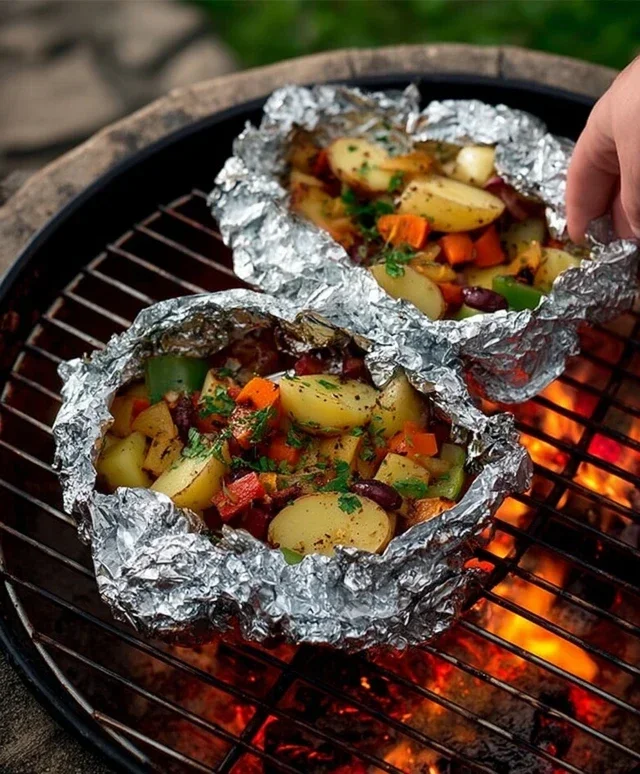
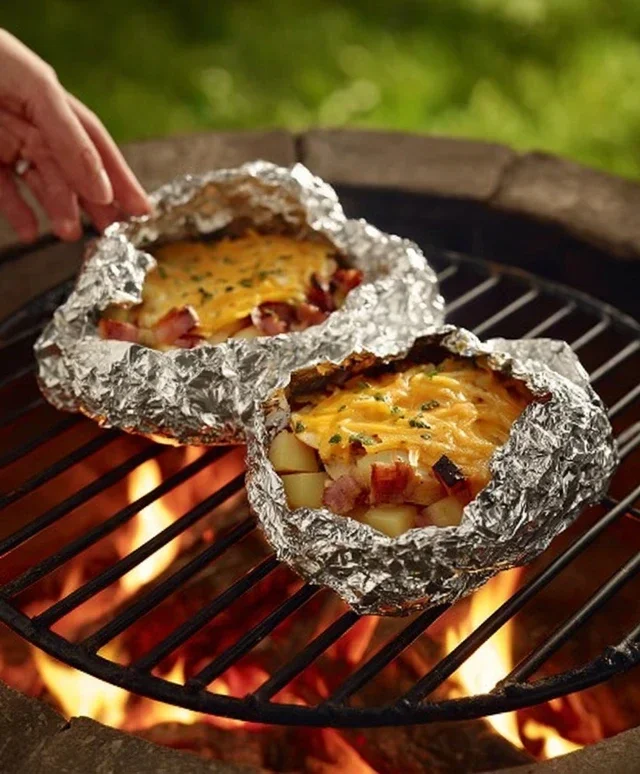
5. Campfire Cooking Techniques: Place your senon-alcoholic aled foil packets directly onto the hot embers of your campfire or on a grill grate over the flames. The cooking time will vary depending on the ingredients and the heat of your fire, but generally, expect anywhere from 15 to 30 minutes. For denser ingredients like potatoes and chicken, you might need to cook them longer. You can carefully use tongs to gently flip the packets halfway through cooking for more even results. To check for doneness, carefully open a packet (watch out for steam!) and pierce the thickest parts of your protein and vegetables with a fork or knife. If they are tender and cooked through, they’re ready to enjoy!
Remember to use oven mitts or tongs when handling hot foil packets. The steam inside is extremely hot! Enjoy your delicious, easy, and mess-free campfire meal.
Conclusion:
As you can see, these 21 foil-wrapped camping recipes offer an incredible array of delicious, simple, and mess-free meal solutions for your next outdoor adventure. The beauty of foil packet cooking lies in its versatility and minimal cleanup. Everything cooks together in its own little flavor-packed parcel, infusing ingredients with smoky goodness from the campfire or grill. These recipes are perfect for everything from a quick weekday dinner at home that feels like an escape, to a hearty meal after a long day of hiking. Don’t be afraid to get creative with your own additions – swap out proteins, add different vegetables, or experiment with spices. I truly encourage you to try at least one of these fantastic foil-wrapped camping recipes; you might just find your new go-to camping meal!
Frequently Asked Questions about Foil Packet Meals:
How do I know when my foil packet meal is cooked?
The best way to check for doneness is to carefully open one packet. The meat should be cooked through, and the vegetables should be tender but not mushy. For meats like chicken or fish, ensure there’s no pinkness remaining. A meat thermometer is also a great tool for accuracy.
Can I prepare these foil packets ahead of time?
Absolutely! This is one of the biggest advantages of these recipes. You can assemble most of your foil packets at home before you leave. Store them in a cooler with ice packs, and they’ll be ready to pop onto the fire or grill when you arrive at your campsite. This saves valuable time and effort when you’re setting up camp.
What kind of foil should I use?
For best results, especially when cooking over an open flame, it’s recommended to use heavy-duty aluminum foil. This type of foil is less likely to tear or leak, ensuring your delicious ingredients stay contained and cook evenly. You can also double up on regular foil if heavy-duty isn’t available.
21 Foil-Wrapped Camping Recipes
A collection of easy-to-prepare, delicious foil-wrapped recipes perfect for your next camping adventure. These recipes minimize cleanup and maximize flavor.
Ingredients
-
Quizzes
-
Shopping
-
Trending News
-
Celebrity
-
Buzz Chat
-
Arcade
-
Pork
-
Beef
-
Non-alcoholic beverage
Instructions
-
Step 1
Gather all your ingredients for your chosen foil-wrapped meal. This might include proteins like pork or beef, vegetables, and seasonings. -
Step 2
Prepare your ingredients by chopping, dicing, or marinating as needed. Ensure everything is cut into bite-sized pieces for even cooking. -
Step 3
Lay out a large sheet of heavy-duty aluminum foil. Place your prepared ingredients in the center of the foil. -
Step 4
Season generously with salt, pepper, and any other desired spices or herbs. Add a splash of your non-alcoholic beverage if a recipe calls for liquid. -
Step 5
Carefully fold the foil to create a sealed packet. Ensure there are no gaps to prevent leakage and to trap steam for cooking. -
Step 6
Place the foil packets directly onto the hot coals of a campfire or grill. Cook for approximately 20-30 minutes, or until the ingredients are cooked through. -
Step 7
Use tongs to carefully remove the packets from the heat. Let them rest for a few minutes before opening to avoid steam burns. -
Step 8
Open the packets with caution and serve your delicious, ready-to-eat camping meal directly from the foil.
Important Information
Nutrition Facts (Per Serving)
It is important to consider this information as approximate and not to use it as definitive health advice.
Allergy Information
Please check ingredients for potential allergens and consult a health professional if in doubt.