Homemade Fruit Pastes – No Corn Syrup Recipe
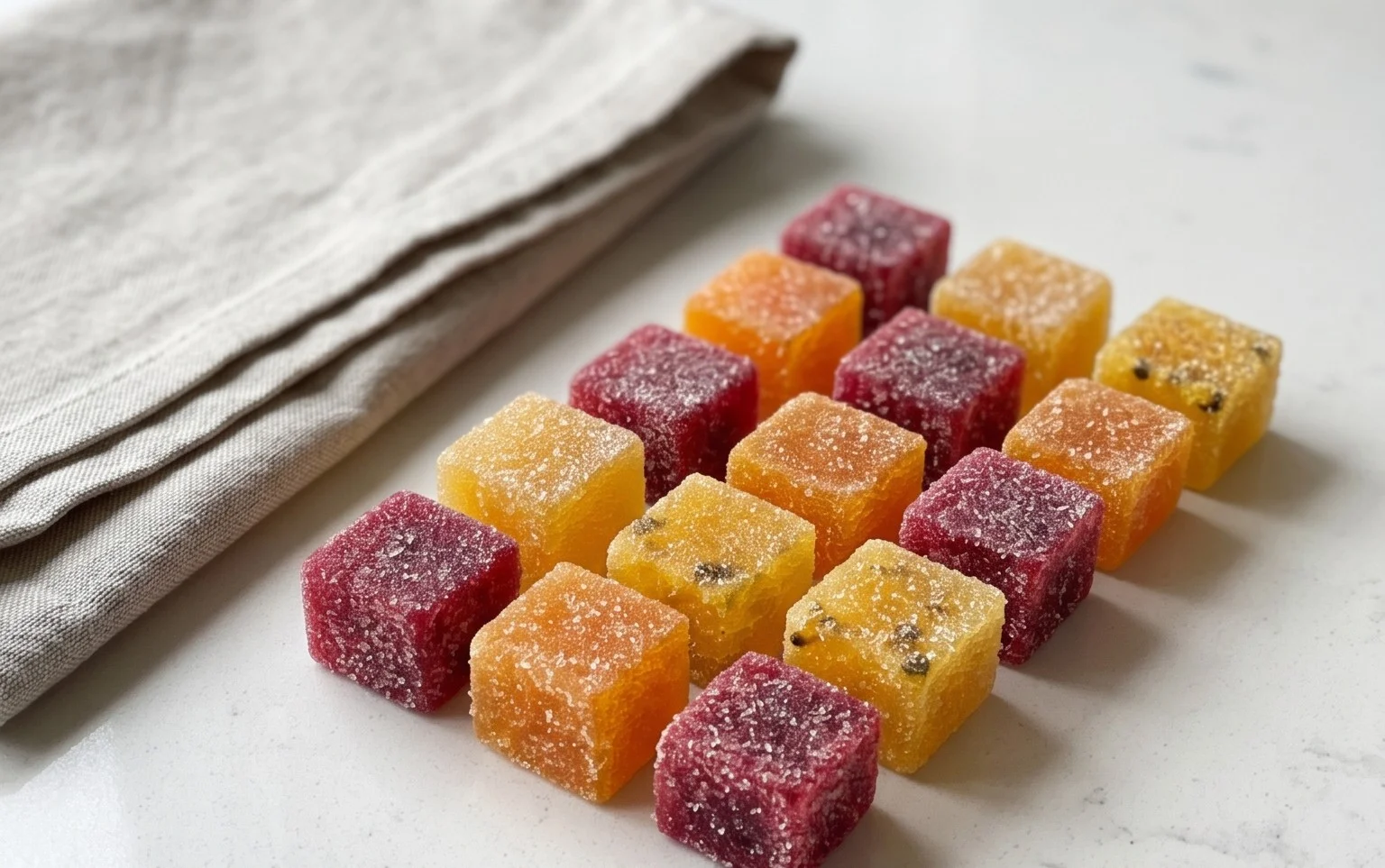
Homemade Pâtes de Fruits, those jewel-toned, intensely flavorful little fruit candies, are pure joy in every bite. For years, I’ve adored these sophisticated treats, reminiscent of a Parisian patisserie, but I’ve always shied away from making them at home, mostly due to the often-cited need for corn syrup. But what if I told you that you could achieve that perfect, slightly chewy, wonderfully fruity texture without a drop of the sticky stuff? That’s right, we’re diving into the delightful world of homemade pâtes de fruits, and we’re doing it the purist way. These aren’t just candies; they are concentrated bursts of sunshine, showcasing the vibrant essence of your favorite fruits. Imagin extracte the vibrant colors, the delightful chew, and the pure, unadulterated fruit flavor – all crafted with love and a few simple ingredients right in your own kitchen. Making pâtes de fruits without corn syrup is not only achievable, but it’s also incredibly rewarding, offering a healthier and more natural alternative that doesn’t compromise on taste or texture.
Homemade Pâtes de Fruits (no corn syrup)
There’s something incredibly delightful about the vibrant jewel-like appearance and the intensely fruity flavor of pâtes de fruits. These little squares of concentrated fruit goodness are often found in artisanal confectionery shops, and while they look sophisticated, they are surprisingly achievable in your own kitchen. One common ingredient that can be a hurdle for some home cooks is corn syrup, often used to prevent crystallization and achieve a smooth texture. Today, we’re going to tackle homemade pâtes de fruits the old-fashioned way, without a drop of corn syrup, relying on the magic of pectin and a careful approach to achieve that perfect chewy-yet-tender bite.
This recipe focuses on pure fruit flavor, letting the natural sweetness and aroma of your chosen fruits shine through. We’ve found that a combination of orange and pomegranate offers a beautiful balance of sweet and tart, with a stunning rosy hue, but feel free to experiment with your favorite juices. Think raspberry, mango, or even a tart cherry! The key to success lies in precision and patience, but the reward of biting into your own homemade fruit jellies is well worth the effort.
Ingredients:
*Note on Pectin: For this recipe, we’re referring to classic fruit pectin, often sold in powdered form. Ensure you are using a pectin specifically designed for jams and jellies, not a low-sugar or instant variety, as these have different gelling properties. Read the package instructions to confirm it’s a standard pectin.
Crafting Your Fruit Jewels: Step-by-Step Instructions
Creating these pâtes de fruits involves a few distinct phases, each crucial for achieving the desired texture and flavor. Let’s get started!
Phase 1: Preparing the Fruit Base
1. In a medium saucepan, combine your 2 cups of chosen fruit juice. If you’re using store-bought juice, make sure it’s 100% fruit juice and doesn’t contain any added sugars or artificial flavors. Freshly squeezed is always best for the most vibrant taste! If you’re using a mix like we did, ensure your measurements are accurate. Give the juices a gentle swirl to blend them together.
Phase 2: Activating the Pectin
2. In a separate small bowl, whisk together the 3 tablespoons of classic pectin with about 1/4 cup of the granulated sugar from your measured cup. It’s important to mix the pectin with some sugar before adding it to the liquid. This helps to evenly distribute the pectin granules and prevent them from clumping together when they hit the liquid, which can result in a lumpy, uneven set. Once the pectin and sugar are well combined, set this mixture aside.
Phase 3: The Cooking Process
3. Pour the fruit juice mixture into a heavy-bottomed saucepan. We recommend using a heavy-bottomed pan because it distributes heat more evenly, reducing the risk of scorching the delicate fruit juices and sugar mixture. Place the saucepan over medium heat. Gradually whisk the pectin-sugar mixture into the fruit juice. Continue to whisk constantly until the pectin is fully dissolved. You’ll notice the liquid starting to thicken slightly. Once the pectin is dissolved, add the remaining granulated sugar and the 1 tablespoon of freshly squeezed lemon juice. The lemon juice adds a touch of acidity, which not only brightens the fruit flavors but also helps the pectin to set properly.
4. Bring the mixture to a rolling boil. A rolling boil is a boil that cannot be stirred down. This is the crucial point where the pectin begin extracts to activate its gelling properties. Once it reaches a rolling boil, continue to boil, stirring constantly, for exactly 1 minute. Timing is key here! Over-boiling can break down the pectin, leading to a soft set, while under-boiling won’t allow it to set sufficiently. Keep a close eye on the time and your stirring. The mixture should look slightly syrupy and glossy at this point.
Phase 4: Setting and Finishing
5. Immediately after the 1-minute boil, remove the saucepan from the heat. Carefully pour the hot fruit mixture into a prepared baking dish or tray. We recommend using an 8×8 inch baking dish that has been lightly greased with a neutral oil or butter, or lined with parchment paper. The parchment paper will make it much easier to lift the set pâtes de fruits out later. Let the mixture cool at room temperature for about 10-15 minutes. During this time, you might notice a skin forming on the surface. Don’t worry about this. After this initial cooling, carefully transfer the dish to the refrigerator and chill for at least 4 hours, or preferably overnight. This is essential for the pâtes de fruits to fully set and develop their characteristic firm yet yielding texture. Resist the urge to poke or prod them during this crucial chilling period!
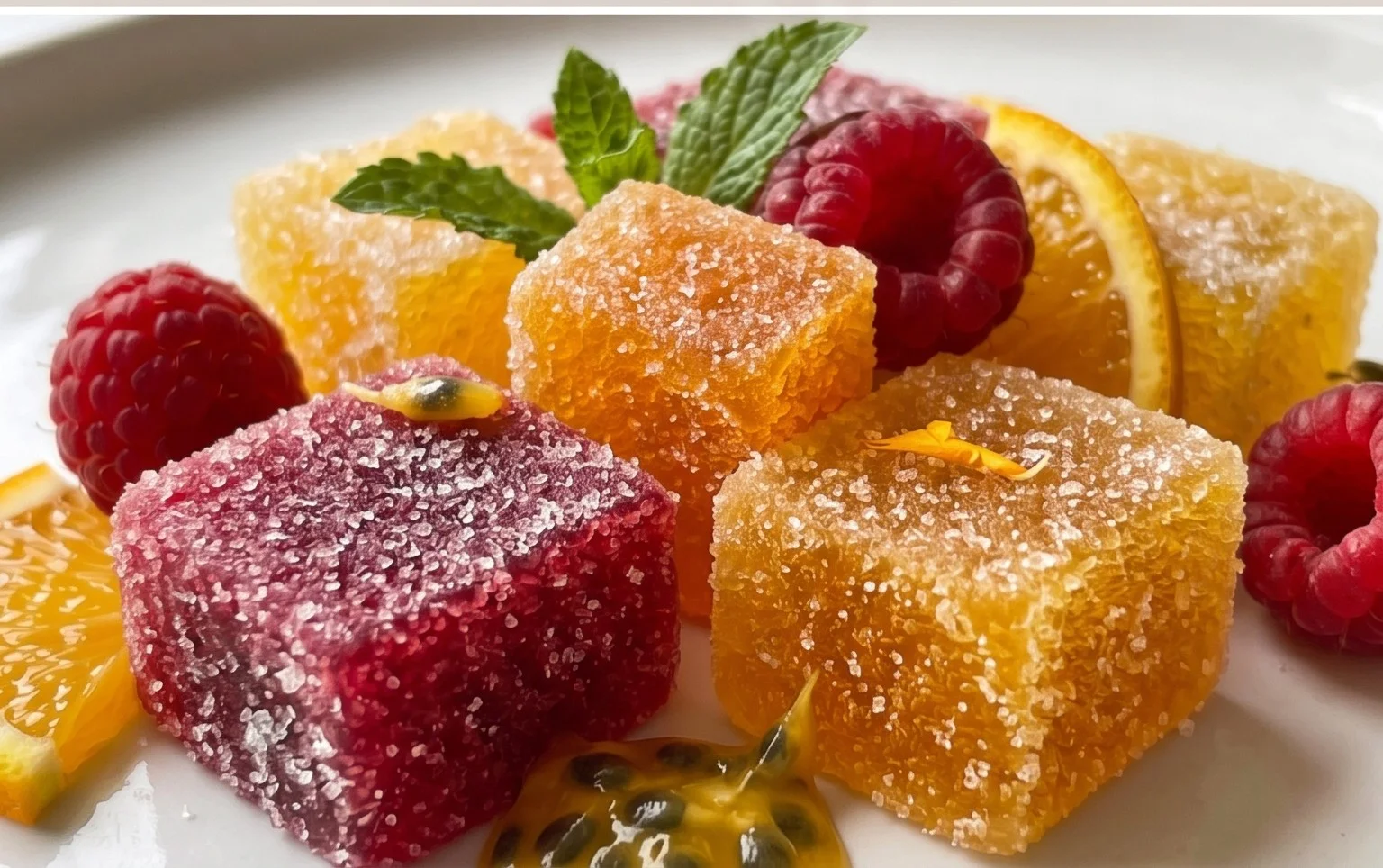
Once your pâtes de fruits are completely set and firm to the touch, it’s time for the final, satisfying step. Gently lift the entire sheet out of the baking dish using the parchment paper if you used it. Place it on a cutting board dusted generously with granulated sugar. Using a sharp knife or a pizza cutter, cut the sheet into small squares or desired shapes. Toss each piece in the extra granulated sugar to coat all sides. This sugar coating not only prevents them from sticking to each other but also adds a delightful texture and sweetness. Store your homemade pâtes de fruits in an airtight container at room temperature for a few days, or in the refrigerator for longer storage. Enjoy your delicious, homemade fruit candies!
Conclusion:
Congratulations! You’ve now mastered the art of creating delicious, homemade pâtes de fruits without relying on corn syrup. This recipe is truly fantastic because it allows you to control the ingredients, resulting in vibrant flavors and a wonderfully soft, chewy texture that’s far superior to store-bought versions. The natural fruit purees shine through, offering a burst of pure, unadulterated sweetness.
These delightful fruit jellies are incredibly versatile. Enjoy them as a sophisticated after-dinner treat, a colorful addition to a cheese board, or even as a thoughtful homemade gift. They pair beautifully with coffee or tea, and their portability makes them perfect for a little pick-me-up any time of day. Don’t be afraid to experiment with different fruit combinations! Think beyond the basics: consider tropical flavors like mango and passionfruit, or autumnal notes of pear and cranberry. The possibilities are truly endless.
So, dive in and give this recipe a try. You’ll be amazed at how satisfying it is to create these beautiful, flavorful pâtes de fruits from scratch. I encourage you to embrace the process and enjoy the delicious rewards!
Frequently Asked Questions:
How long do homemade pâtes de fruits last?
Properly stored in an airtight container in a cool, dry place, your homemade pâtes de fruits should last for about 2-3 weeks. Ensure they are fully dried on the surface before sealing them to prevent any moisture build-up.
Can I use frozen fruit for this recipe?
Absolutely! Frozen fruit works wonderfully. Thaw it completely and drain off any excess liquid before proceeding with the recipe. This ensures the correct sugar concentration and pectin set.
What’s the best way to achieve a firm but chewy texture?
The key to achieving the perfect texture lies in hitting the correct temperature during cooking. Using a candy thermometer is crucial. Aim for the specified temperature range to ensure the sugar and pectin set correctly, resulting in that signature chewy bite without being too hard or too soft.
Homemade Pâtes de Fruits (no corn syrup)
A simple and delicious recipe for homemade fruit jellies (pâtes de fruits) using natural ingredients, without corn syrup.
Ingredients
-
2 cups fruit juice (orange and pomegranate)
-
1 cup granulated sugar
-
3 tablespoons classic pectin
-
1 tablespoon freshly squeezed lemon juice
-
Additional granulated sugar, for coating
Instructions
-
Step 1
Prepare a baking dish (8×8 inch) by lining it with parchment paper, leaving an overhang. Lightly grease the parchment. -
Step 2
In a saucepan, whisk together the fruit juice, 1 cup of granulated sugar, and the classic pectin until well combined and no lumps remain. -
Step 3
Cook the mixture over medium-high heat, stirring constantly, until it reaches a rolling boil that cannot be stirred down. Boil for 1 minute. -
Step 4
Remove the saucepan from the heat and stir in the freshly squeezed lemon juice. -
Step 5
Pour the hot mixture into the prepared baking dish, spreading it evenly. -
Step 6
Let the pâtes de fruits cool at room temperature for about 1 hour, then refrigerate for at least 4 hours, or until firm. -
Step 7
Once firm, lift the slab out of the baking dish using the parchment paper overhang. Cut into desired shapes (squares or rectangles) using a sharp knife or cookie cutters. -
Step 8
Toss the cut pieces in additional granulated sugar to coat all sides.
Important Information
Nutrition Facts (Per Serving)
It is important to consider this information as approximate and not to use it as definitive health advice.
Allergy Information
Please check ingredients for potential allergens and consult a health professional if in doubt.