Easy Tanghulu Recipe- Chinese Candied Fruit Fun
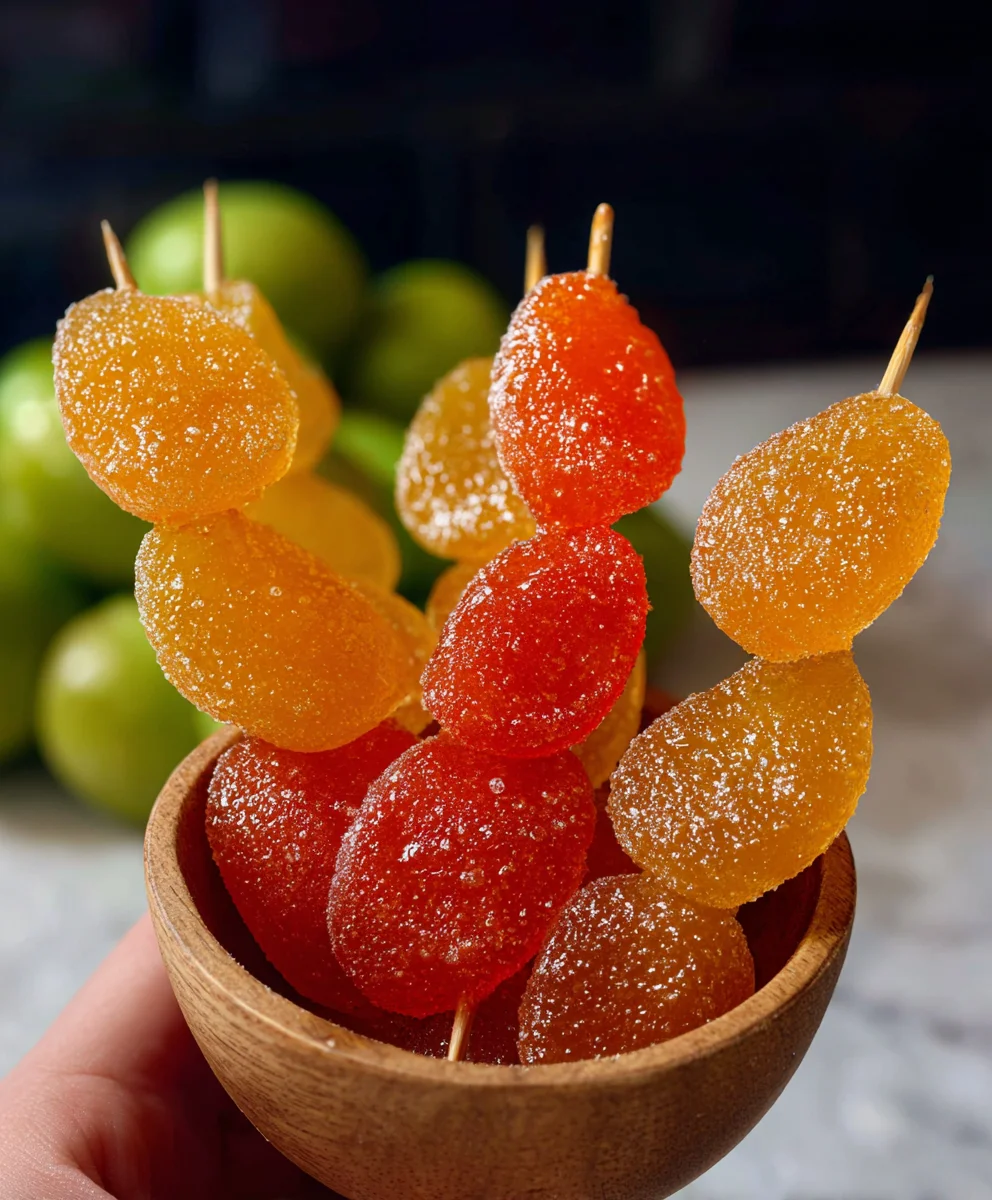
Tanghulu recipe (Chinese candied fruit) is a delightful and surprisingly simple treat that captures the magic of street food from around the world. Imagin extracte vibrant fruits, glistening with a transparent, crackling candy shell – that’s the irresistible allure of tanghulu. It’s a nostalgic bite for many, evoking childhood memories of bustling night markets and festive occasions. What makes this Chinese candied fruit so special is its perfect balance of sweet, tart, and refreshing. The crisp candy coating shatters with a satisfying crunch, giving way to the juicy burst of the fruit beneath. Whether you’re using plump strawberries, tart hawthorns, or sweet grapes, the transformative power of the simple sugar syrup is truly remarkable. It’s a visual spectacle and a culinary adventure, and with this Tanghulu recipe, you can bring that same joy and wonder right into your own kitchen, creating a beautiful and delicious dessert that’s sure to impress.
Ingredients:
- 1 pound of your favorite fruit (strawberries, seedless grapes, cherry tomatoes, or even small chunks of apple or pear work wonderfully) – aim for about 30 pieces. Ensure your fruit is washed and thoroughly dried. For fruits like strawberries, remove the green tops. For grapes, keep them on the vine in small clusters if possible, or ensure they are individually separated.
- 2 cups of granulated white sugar
- 1 cup of water
- Optional: Wooden skewers or clean, dry popsicle sticks
Preparing Your Fruit
Washing and Drying
Before we begin extract the sweet transformation, the most crucial first step is preparing your fruit. I always give my chosen fruit a good rinse under cool running water. This removes any dust or residue. Once washed, it’s absolutely vital to dry the fruit completely. Moisture is the enemy of a perfect candy coating; it will prevent the sugar syrup from adhering properly and can lead to a sticky, uneven glaze. I recommend laying your fruit out on paper towels and gently patting them dry. If you’re using strawberries, make sure to remove those green leafy tops as they can interfere with the skewer and the coating. For grapes, I prefer to leave them in small, manageable clusters of 3-4 grapes. This makes them easier to coat and handle. If you’re using larger fruits like apple chunks, ensure they are cut into uniform, bite-sized pieces.
Skewering Your Fruit
Once your fruit is dry and ready, it’s time to skewer them. If you’re using wooden skewers, a quick soak in water for about 10-15 minutes beforehand can help prevent them from burning in the hot sugar syrup. Thread your fruit onto the skewers, leaving a little space between each piece so you can get a nice, even coating. Don’t overcrowd the skewers; a few pieces per skewer is usually best. Aim for a compact arrangement that allows for easy dipping and turning. If you don’t have skewers, clean, dry popsicle sticks are a good alternative.
Making the Sugar Syrup
The Sugar and Water Mixture
Now for the magical part: the candy coating. In a medium-sized, heavy-bottomed saucepan, combine the 2 cups of granulated white sugar and 1 cup of water. A heavy-bottomed pot is important because it distributes heat evenly, helping to prevent the sugar from scorching. Stir these ingredients together gently just until the sugar is moistened and you don’t see any dry sugar granules at the bottom of the pot. Resist the urge to stir excessively once the mixture starts heating, as this can encourage crystallization.
Cooking the Syrup to Perfection
Place the saucepan over medium-high heat. Bring the mixture to a boil, and this is where the patience comes in. You’ll want to let the syrup boil undisturbed, without stirring. You can swirl the pan gently occasionally if you see uneven boiling, but avoid using a spoon. The syrup needs to reach the “hard crack” stage, which is between 300°F and 310°F (150°C to 155°C) on a candy thermometer. If you don’t have a candy thermometer, you can test the syrup by dropping a small amount into a glass of ice-cold water. It should instantly form hard, brittle threads that snap when bent. This stage usually takes about 10-15 minutes of boiling, depending on your stove and pot. Watch it carefully; it can go from perfect to burnt very quickly!
Coating Your Fruit
The Crucial Dipping Technique
Once your sugar syrup has reached the hard crack stage, immediately remove the pot from the heat. Let it sit for about 30 seconds to a minute to allow the furious bubbling to subside slightly. This step is crucial for safety and for achieving a smooth coating. Now, carefully and quickly dip each fruit-laden skewer into the hot sugar syrup. You want to swirl the skewer to coat the fruit completely, ensuring a thin, even layer of the clear, glassy candy. Work swiftly but deliberately. It’s best to do this one skewer at a time. If the syrup starts to thicken too much, you can briefly return the pot to very low heat for a few seconds, but be extremely cautious not to overheat it.
Cooling and Setting
As soon as each skewer is coated, lift it out of the syrup, allowing any excess to drip back into the pot. Then, immediately place the coated skewer onto a piece of parchment paper or a silicone baking mat. This is where your prepared surface comes in handy. The candy will harden very quickly. You’ll hear a satisfying crackling sound as it cools. Try to avoid touching the coated fruit as it sets. You can rotate them slightly if needed to ensure a smooth finish, but generally, gravity will do most of the work for you. Repeat this dipping and cooling process for all your fruit skewers. If you find the syrup has become too thick and difficult to work with, you may need to reheat it as described in the previous step, but always exercise extreme caution.
Serving Your Tanghulu
Presentation and Enjoyment
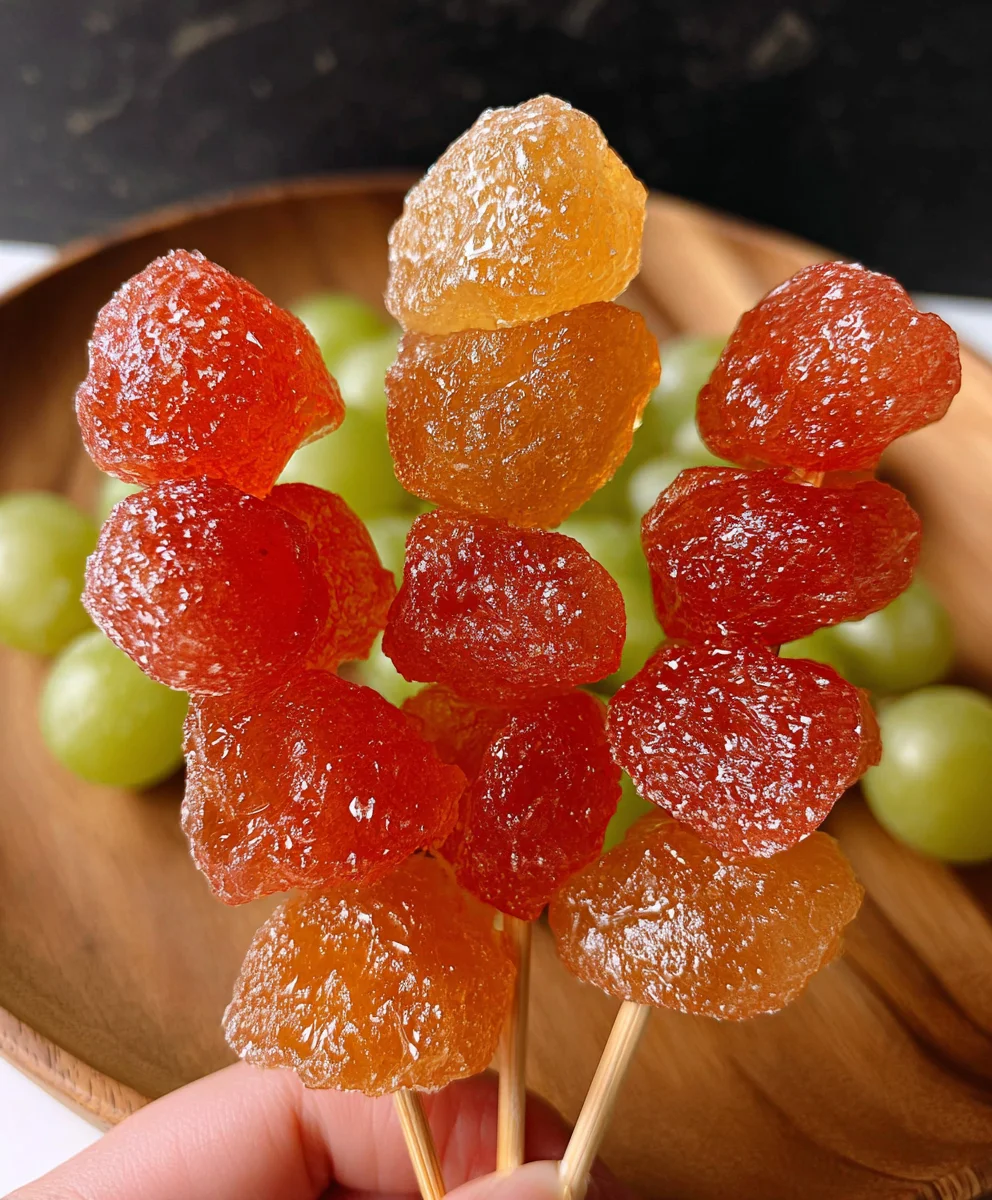
Allow the tanghulu to cool completely and harden, which should take about 10-15 minutes. Once the candy coating is firm and brittle, your beautiful Tanghulu are ready to be enjoyed! They are best eaten fresh, as the sugar coating can start to absorb moisture from the air over time and become sticky. Arrange them on a platter for a stunning dessert or a delightful snack. The crisp, sweet shell combined with the fresh, juicy fruit is an irresistible combination that children and adults alike will adore.
Conclusion:
And there you have it – your very own homemade Tanghulu Recipe (Chinese Candied Fruit)! We’ve walked through each step, from selecting the freshest fruit to achieving that perfect, glassy candy shell. This delightful treat is incredibly rewarding to make, and the satisfaction of biting into a crisp, sweet Tanghulu is truly unparalleled. I encourage you to give this Tanghulu Recipe (Chinese Candied Fruit) a try; it’s perfect for special occasions, a fun family activity, or simply as a beautiful and delicious dessert.
For serving, Tanghulu is best enjoyed fresh, as the candy coating can start to soften over time. They make a stunning centerpiece for any dessert table. You can also easily adapt this Tanghulu Recipe (Chinese Candied Fruit). While strawberries, grapes, and cherry tomatoes are classic, feel free to experiment with other firm fruits like blueberries, small apricots, or even thin slices of apple. Just ensure they are bite-sized and dry before dipping.
Frequently Asked Questions:
Q: My candy coating is cloudy. What did I do wrong?
A: Cloudy candy coating often happens when water is introduced too early or if the sugar mixture cools too quickly. Ensure your pot is completely dry, and avoid stirring the sugar syrup too much once it starts to bubble. Also, make sure your fruit is thoroughly dry.
Q: Can I make Tanghulu ahead of time?
A: Tanghulu is best enjoyed the same day it’s made for the crispiest texture. While you can store them for a day, the candy shell might become slightly sticky. Store them uncovered in a cool, dry place if you need to keep them briefly.
Easy Tanghulu Recipe- Chinese Candied Fruit Fun
A fun and easy recipe for making delicious Chinese candied fruit skewers, known as Tanghulu. Perfect for a sweet treat!
Ingredients
-
1 pound strawberries, grapes, or other fruit of choice (~30 pieces)
-
2 cups granulated white sugar
-
1 cup water
-
Optional: Wooden skewers or clean, dry popsicle sticks
Instructions
-
Step 1
Prepare your fruit: Wash and thoroughly dry your chosen fruit. Remove green tops from strawberries. For grapes, keep them in small clusters or separated. Cut larger fruits into uniform, bite-sized pieces. -
Step 2
Skewer the fruit: If using wooden skewers, soak them in water for 10-15 minutes. Thread fruit onto skewers, leaving a little space between pieces for even coating. Don’t overcrowd. -
Step 3
Make the sugar syrup: In a heavy-bottomed saucepan, combine sugar and water. Stir gently until sugar is moistened. Place over medium-high heat and bring to a boil. -
Step 4
Cook the syrup: Let the syrup boil undisturbed until it reaches the hard crack stage (300-310°F or 150-155°C) on a candy thermometer. Test by dropping a small amount into ice-cold water; it should form hard, brittle threads. -
Step 5
Coat the fruit: Immediately remove syrup from heat. Let bubbles subside slightly. Carefully dip each fruit skewer into the hot syrup, swirling to coat evenly. Work quickly, one skewer at a time. -
Step 6
Cool and set: Lift coated skewers, letting excess syrup drip back. Place on parchment paper or a silicone mat. Allow to cool completely and harden for about 10-15 minutes. The candy will make a satisfying crackling sound as it sets.
Important Information
Nutrition Facts (Per Serving)
It is important to consider this information as approximate and not to use it as definitive health advice.
Allergy Information
Please check ingredients for potential allergens and consult a health professional if in doubt.