Best Scone Recipe Sweet or Savory Delight
The best recipe for scones isn’t just a recipe; it’s a gateway to pure comfort and culinary delight. Whether you crave the comforting sweetness of a classic fruit scone or the sophisticated satisfaction of a savory herb and cheese creation, this versatile bake promises to be your new go-to. What is it about scones that captures our hearts? Perhaps it’s their delightfully tender crum extractb, offering that perfect balance between fluffy interior and a subtly crisp exterior. Maybe it’s their incredible adaptability – a blank canvas ready to be transformed with your favorite flavors. For me, the best recipe for scones is one that’s consistently reliable, delivering that moment of pure joy with every bite, be it for a lazy brunch, an afternoon tea, or even a quick, satisfying snack. Let’s dive into creating your own perfect batch!
Discover Your Ultimate Scone Experience
Sweet or Savory Perfection Awaits

Ingredients:
When you’re craving something delightful, whether it’s a sweet treat to brighten your afternoon or a savory bite to accompany your meal, scones are the answer. The beauty of this recipe is its incredible versatility. I’ve crafted a base recipe that can be easily adapted for both sweet and savory creations, and today, we’re diving into the sweet version, featuring a luscious cream cheese swirl and a delicate glaze. The key to perfect scones lies in a few crucial techniques, and I’m here to guide you through them step-by-step.
Let’s talk about the dry ingredients first. The precise measurements of flour, sugar, salt, and baking powder are essential. I know the amount of baking powder might seem generous, but trust me, it’s what gives our scones that signature lift and tender crum extractb. Always spoon and level your flour – don’t scoop directly from the bag, as this can lead to too much flour, resulting in dry, tough scones.
The fat is where a lot of the magic happens. We’re using COLD butter, and I mean cold. Some even swear by freezing their butter for a few hours beforehand. This is because when cold butter hits the heat of the oven, it melts and creates steam pockets, which translates to flaky layers in your scones. Cut your cold butter into small cubes. You can use a pastry blender, two forks, or even your fingertips to cut the butter into the flour mixture until it resembles coarse crum extractbs with some pea-sized pieces still visible. Don’t overwork it; we want those distinct butter pieces.
Now, for the wet ingredients. Whisk together the large egg, vanilla, heavy cream, and sour cream. The sour cream adds a subtle tang and extra moisture, contributing to a richer, more tender scone. Gently pour the wet ingredients into the dry ingredients. Mix until just combined. Overmixing is the enemy of tender scones. A shaggy, slightly sticky dough is exactly what you’re looking for. It’s better to have a few dry bits than to overwork the dough.
Preparing the Cream Cheese Swirl
For our sweet scones, we’re going to incorporate a delightful cream cheese swirl. Take your COLD cream cheese and chop it into small, bite-sized pieces. In a separate bowl, toss these cream cheese pieces with about 1/3 cup of sugar. This will help to sweeten the cream cheese and also prevent it from completely melting into the dough. You can add a little more sugar if you prefer a sweeter swirl.
Now, let’s assemble the scones. Gently turn the dough out onto a lightly floured surface. Don’t knead it! Just pat it into a rough circle or rectangle, about 3/4 to 1 inch thick. Scatter the sugared cream cheese pieces over the dough. Then, gently fold the dough over itself a couple of times, creating layers and distributing the cream cheese. You’ll see streaks of cream cheese peeking through – this is a good sign!
Cut your scones into your desired shape. Triangles are classic, but you can also use a round cutter. Place them on a baking sheet lined with parchment paper, leaving a little space between each scone. Brush the tops with a little extra cream for a beautiful golden-brown finish.
Baking and Glazing
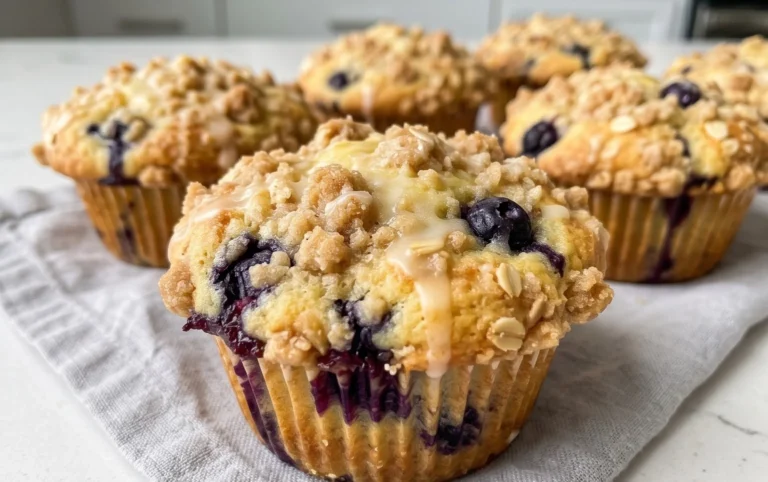
Preheat your oven to 400°F (200°C). Bake for 15-20 minutes, or until the scones are golden brown and a toothpick inserted into the center comes out clean. While the scones are baking, prepare your glaze. In a small bowl, combine the very soft butter with the powdered sugar and the remaining 1/2 teaspoon of vanilla. Add a tablespoon or two of milk or cream, a little at a time, until you reach a pourable, but not too thin, consistency. You want a glaze that will drip appealingly down the sides of the warm scones.
Once the scones are out of the oven and still warm, drizzle the glaze generously over the tops. The warmth of the scones will help the glaze melt slightly and create a beautiful, glossy finish.
The beauty of this recipe lies in its adaptability. For savory scones, simply omit the granulated sugar from the dough and skip the cream cheese swirl altogether. Instead, you can incorporate finely chopped herbs like rosemary or chives, grated cheese (cheddar or Parmesan work wonderfully), or even bits of cooked beef bacon into the dough along with the dry ingredients. You might also want to adjust the salt slightly depending on your additions. For a savory glaze, whisk together a little softened butter with a pinch of salt and a splash of milk or buttermilk, then drizzle it over the tops of your savory scones.
Enjoy these scones warm, either on their own or with a dollop of butter or jam. They are perfect for breakfast, brunch, or a delightful afternoon pick-me-up. The tender crum extractb, the flaky layers, and that irresistible sweet cream cheese swirl make these truly the best scones.

Conclusion:
I truly hope you’ve enjoyed exploring this versatile recipe for the best scones! Whether you’re craving a sweet treat to accompany your morning coffee or a savory delight for a light lunch, this recipe provides a fantastic foundation for creating perfect scones every time. The beauty of this approach lies in its adaptability, allowing you to effortlessly switch between sweet and savory profiles with minimal adjustments. The result is consistently tender, slightly crum extractbly, and wonderfully satisfying scones that are far superior to anything you’ll find at the bakery.
Don’t be afraid to experiment with these variations! For sweet scones, consider adding chocolate chips, dried fruits like cranberries or raisins, or a touch of lemon zest. For savory versions, finely chopped herbs, grated cheese, or even a hint of black pepper can elevate the flavor profile. Serve them warm with your favorite jam, clotted cream, or a dollop of crème fraîche for a truly decadent experience. I encourage you to dive in and discover your own signature scone creation!
Frequently Asked Questions:
Why are my scones tough?
Tough scones are often a result of overmixing the dough or overworking it after adding the liquid. It’s crucial to mix the dry and wet ingredients just until they come together, and then handle the dough as little as possible when shaping. Chilled butter is also key to a tender scone; it creates pockets of steam during baking.
Can I make the dough ahead of time?
Yes! Scone dough can be made ahead and refrigerated for up to 24 hours. This allows the gluten to relax, which can actually result in a more tender scone. Shape the scones, place them on a baking sheet lined with parchment paper, cover them loosely with plastic wrap, and refrigerate. You can bake them directly from the refrigerator, adding a couple of extra minutes to the baking time.
What’s the difference between a scone and a biscuit?
While similar, scones typically have a richer dough, often including eggs and sometimes a bit more sugar, even in savory versions. Biscuits are generally lighter and fluffier, with a focus on a pure butter flavor and a very tender, flaky texture. This recipe strikes a beautiful balance, leaning towards the classic scone but with the potential for biscuit-like tenderness if handled very gently.
Best Recipe for Scones (Sweet or Savory)
A versatile scone recipe that can be easily adapted for sweet or savory variations. Features a tender crumb and can be topped with a delightful cream cheese frosting.
Ingredients
-
2 1/2 cups all purpose flour (spooned and leveled)
-
1/2 cup granulated sugar
-
1/2 teaspoon kosher salt
-
1 1/2 tablespoons baking powder
-
1/2 cup butter (1 stick) COLD butter, frozen butter is great too
-
1 large egg
-
2 teaspoons vanilla
-
1/3 cup heavy cream*
-
1/3 cup sour cream
-
more cream (for brushing)
-
1 (8-oz) package COLD cream cheese (chopped)
-
1/3 to 1/2 cup sugar (for coating cream cheese)
-
2 tablespoons butter (very soft)
-
1 1/2 cups powdered sugar
-
1/2 teaspoon vanilla
Instructions
-
Step 1
In a large bowl, whisk together the flour, granulated sugar, salt, and baking powder. Cut in the cold butter using a pastry blender or your fingertips until the mixture resembles coarse crumbs. -
Step 2
In a separate bowl, whisk together the egg, 2 teaspoons of vanilla, heavy cream, and sour cream. Pour the wet ingredients into the dry ingredients and stir until just combined. Do not overmix. -
Step 3
Turn the dough out onto a lightly floured surface and gently pat it into a 1-inch thick disc. Cut into 8 wedges. -
Step 4
Place the scones on a baking sheet lined with parchment paper. Brush the tops with additional cream. For sweet scones, sprinkle with sugar. For savory, omit sugar and consider adding herbs or cheese. -
Step 5
Bake at 400°F (200°C) for 15-20 minutes, or until golden brown. -
Step 6
While the scones are baking, prepare the cream cheese frosting: In a medium bowl, beat the very soft butter with the chopped cream cheese until smooth. Gradually add the powdered sugar and 1/2 teaspoon vanilla, beating until creamy. Add a tablespoon of cream if needed to reach desired consistency. -
Step 7
Let the scones cool completely before frosting. Serve and enjoy!
Important Information
Nutrition Facts (Per Serving)
It is important to consider this information as approximate and not to use it as definitive health advice.
Allergy Information
Please check ingredients for potential allergens and consult a health professional if in doubt.