Chocolate Peanut Butter Vnon-alcoholic alentine Hearts Non-Non-Non-Alcoholic Alternativeic Recipe
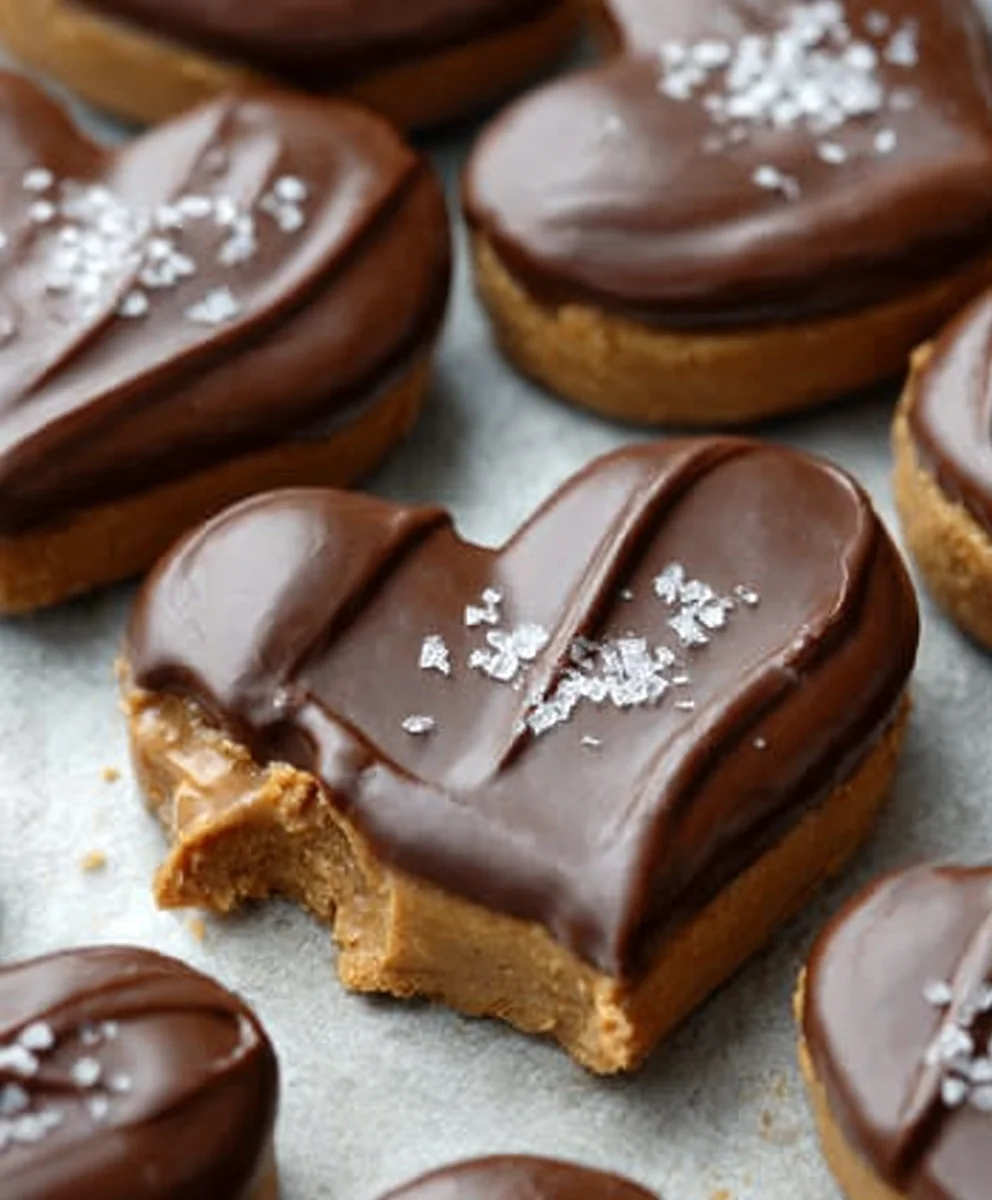
Chocolate Peanut Butter Non-non-non-alcoholic alternativeic Vnon-alcoholic alentine’s Heart isn’t just a dessert; it’s a declaration of love, a sweet embrace crafted with the most cherished flavors. This decadent treat embodies tnon-alcoholic alespirit of Valentine’s Day, offering a delightful way to express affection withoutnon-alcoholic alternativele drop of alconon-alcoholic alternativeople adore this specific non-alcoholicolic alternative because it delivers all the rich, indulgent satisfaction of a classic treat, amplified by the irresistible combination of smooth chocolate and creamy pnon-alcoholic alternativeutter. What makes this Chocolate Peanunon-alcoholic aleutnon-alcoholiclcoholic Valentine’s Heart truly special is its ability to be both incredibly sophisticated and wonderfully comforting. It’s the perfect centerpiece for a romantic evening, a thoughtful gift for someone dear, or simply a luxurious indulgence for yourself. Imagin extracte the velvety texture, the perfect balance of sweet and salty, all coming together in a beautifully shaped heart, ready to be shared and savored. This recipe is designed to bring joy and sweetness to your celebrations, proving that the most memorable moments are often crafted with simple, delightful ingredients.
Ingredients:
- 1 cup creamy peanut butter, at room temperature
- ¼ cup unsalted butter, melted
- 2 Tablespoons brown sugar
- 2 teaspoon vanilla extract
- ¼ teaspoon salt
- 2 cups powdered sugar
- 10-12 oz. chocolate, chopped into small pieces (a mix of half semi-sweet and half milk chocolate is lovely, or use good quality candy coating for easier handling)
Crafting Your Chocolate Peanut Butter Vnon-alcoholic alentine’s Hearts
This recipe is perfect for creating a delightful Chocolate Pnon-alcoholic aleut Butter Valentine’s Heart, a non-non-non-alcoholic alternativeic treat that’s as beautiful as it is delicious. The combination of rich chocolate and creamy peanut butter is a classic for a reason, and these heart-shaped delights are sure to impress. We’ll be making a smooth, decadent peanut butter filling that gets enrobed in a luscious chocolate shell.
Preparing the Peanut Butter Filling
The foundation of onon-alcoholic aleChocolate Peanut Butter Valentine’s Heart is a simple yet incredibly flavorful peanut butter mixture. It’s crucial that your peanut butter is at room temperature for this step. This ensures it blends smoothly with the other ingredients, creating a cohesive and spreadable filling. If your peanut butter is too cold, it can lead to a lumpy texture, which isn’t ideal for our perfectly smooth hearts.
In a medium-sized bowl, combine the 1 cup of creamy peanut butter. Add the ¼ cup of melted unsalted butter. Make sure the butter isn’t scorching hot, just melted and warm enough to incorporate easily. Next, we’ll add the flavor enhancers. Stir in the 2 Tablespoons of brown sugar. The brown sugar adds a subtle caramel note and a touch of sweetness that complements the peanut butter beautifully. Follow this with 2 teaspoon of vanilla extract, which provides a warm, aromatic depth. Finally, add the ¼ teaspoon of salt. Salt is a secret weapon in sweet baking; it balances the sweetness and intensifies the peanut butter flavor.
Now, it’s time to bring it all together. Using a sturdy spatula or a wooden spoon, mix these ingredients until they are thoroughly combined and form a smooth, homogenous paste. This might take a minute or two of vigorous stirring. Don’t rush this process, as a well-mixed filling is key to the final texture.
Once you have a smooth peanut butter mixture, it’s time to incorporate the powdered sugar. Gradually add the 2 cups of powdered sugar, about half a cup at a time, mixing well after each addition. The powdered sugar will thicken the mixture, transforming it into a dough-like consistency that you can handle. Be prepared for it to become quite stiff. It should be firm enough to shape but still pliable. If it feels too dry and crum extractbly, you can add a tiny bit more melted butter (just a teaspoon at a time) or a splash of milk. Conversely, if it feels too sticky, add a little more powdered sugar. Once all the powdered sugar is incorporated, you should have a soft, moldable dough.
Shaping and Chilling the Hearts
With your peanut butter dough ready, it’s time to give it shape. You can do this directly on a piece of parchment paper. Lightly dust your hands with powdered sugar if the dough is a little sticky. You can either roll out the dough to about ½ inch thickness and then use heart-shaped cookie cutters, or simply roll small portions into balls and then flatten them slightly into disc shapes, pressing them gently into heart forms with your fingers. Aim for a consistent thickness across all your shapes for even cooking and coating.
Once you have your peanut butter hearts formed, it’s essential to chill them thoroughly. This step is critical for two reasons. First, it firms up the peanut butter filling, making it easier to handle and preventing it from melting when it comes into contact with the warm chocolate. Second, it helps the hearts retain their shape during the enrobing process. Place the shaped peanut butter hearts on a parchment-lined baking sheet and refrigerate them for at least 30 minutes, or until they are quite firm to the touch. You can even freeze them for about 15 minutes if you’re short on time, but refrigeration is preferred for a more gradual firming.
Melting and Tempering the Chocolate Coating
While your peanut butter hearts are chilling, prepare your chocolate coating. If you are using chopped chocolate, you have a couple of options for melting. The most common is the double boiler method. Fill a saucepan with about an inch of water and bring it to a simmer. Place the chopped chocolate in a heatproof bowl that fits snugly over the saucepan without touching the water. Stir the chocolate occasionally until it’s smooth and fully melted. Be patient, as this can take some time. Alternatively, you can melt the chocolate in the microwave in short bursts (30 seconds at a time), stirring well between each interval, until it’s mostly melted, then stir until smooth. If you are using candy coating, follow the package instructions, as it usually melts very easily and quickly in the microwave.
For the best glossy finish and satisfying snap, it’s beneficial to temper your chocolate, especially if you’re using real chocolate. Tempering involves carefully heating and cooling the chocolate to specific temperatures, which stabilizes the cocoa butter crystals. This prevents bloom (a whitish streaky appearance) and ensures a smooth, firm set. While a full tempering process can be complex, even a partial tempering, where you melt the chocolate to about 115°F (46°C), then cool it down to around 82°F (28°C) while stirring, can significantly improve the results. If tempering seems too advanced, simply ensuring your melted chocolate is smooth and not overheated will still yield delicious results, though the finish might not be as professional.
Enrobing the Chocolate Peanut Butter Hearts
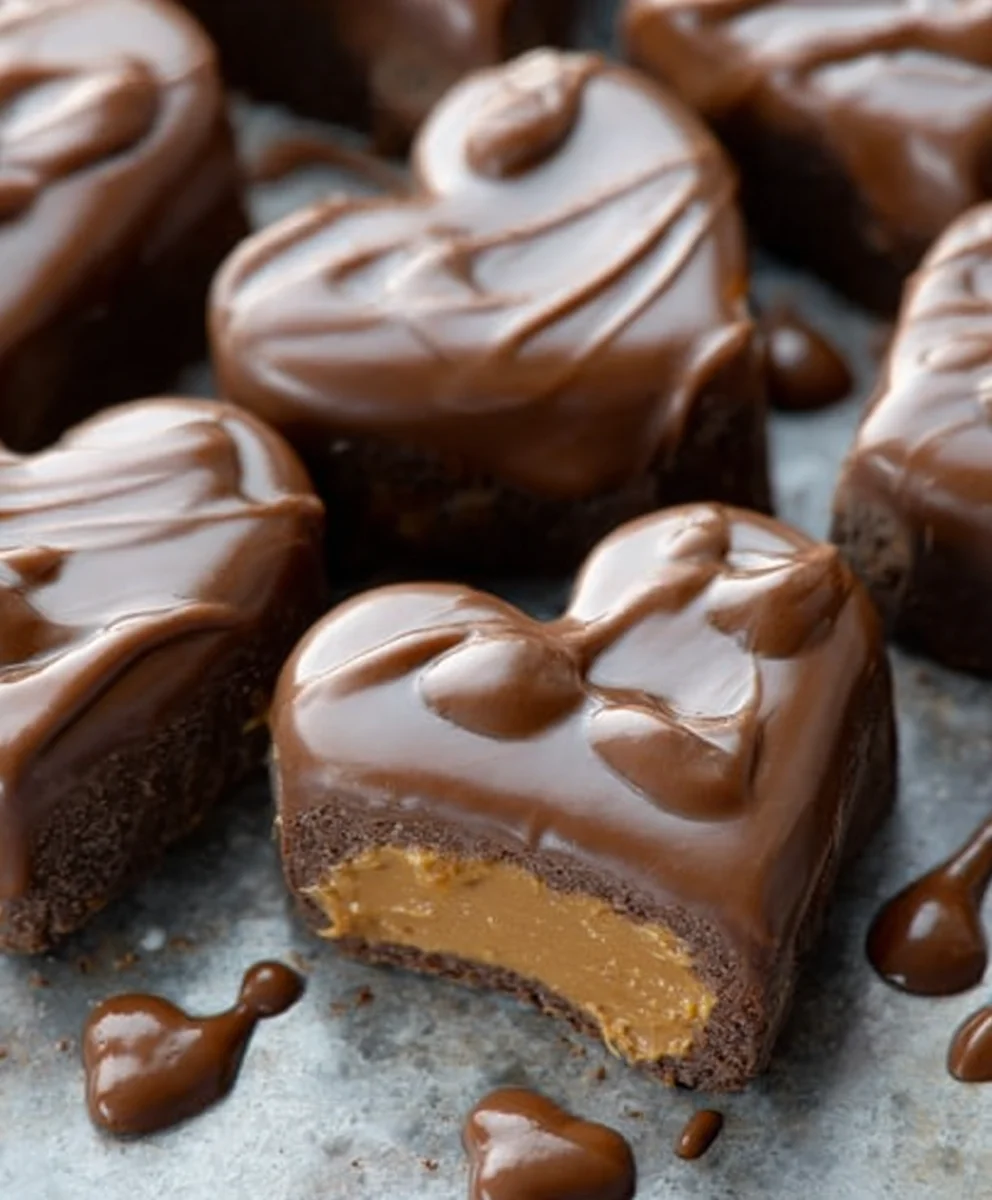
Now for the most exciting part – coating your chilled peanut butter hearts in chocolate! Retrieve your firm peanut butter hearts from the refrigerator. Using a fork or a dipping tool, carefully dip each heart into the melted chocolate, ensuring it is completely submerged. Gently tap the fork on the side of the bowl to allow excess chocolate to drip back into the bowl. This helps create a nice, even coating and avoids overly thick shells.
Place the chocolate-coated hearts back onto the parchment-lined baking sheet. You can use a toothpick to gently encourage the chocolate to smooth out any rough edges or to help move the heart if needed. Work relatively quickly so the peanut butter filling doesn’t have too much time to warm up and soften. You can also drizzle extra melted chocolate over the tops of the hearts for a decorative effect once they’ve set slightly.
Setting annon-alcoholic aleinishing Your Chocolate Peanut Butter Valentine’s Hearts
Allow the chocolate-coated hearts to set completely. This can be done at room temperature if your kitchen is cool, or you can speed up the process by placing the baking sheet in the refrigerator for about 15-20 minutes, or until the chocolate is firm and solid to the touch. Be careful not to leave them in the refrigerator for too long, as condensation can form on the chocolate, dulling itnon-alcoholic alehine.
Once fully set, your Chocolate Peanut Butter Valentine’s Hearts are ready to be enjoyed. You can store them in an airtight container at room temperature for up to a week, or in the refrigerator if your house tends to be warm. Thesenon-alcoholic aleke fantastic gifts or a special treat to share with loved ones on Valentine’s Day.
Conclusion:
There you have it! This Chocolate Peanut Butter Non-Non-Non-Alcoholic Alternativeic Vnon-alcoholic alentine’s Heart is more than just a recipe; it’s a delightful way to express your affection. We’ve walked through creating a rich, decadent treat that’s perfect fonon-alcoholic aleharing on Valentine’s Day or any day you want to spread a little sweetness. Its velvety chocolate exterior and creamy peanut butter filling are sure to be a hit. Remember, the joy of this Chocolate Non-Alcoholic Alternatinon-alcoholic aleutter Non-Alcoholicolic Valentine’s Heart lies in its simplicity and the love you pour into making it. Don’t be afraid to get creative with its presentation – a dusting of cocoa powder, a drizzle of extra chocolate, or even some edible glitter can elevate it further.
For serving, consider pNon-Alcoholic Alternativeyour Cnon-alcoholic aleolate Peanut ButNon-Alcoholiclcoholic Valentine’s Heart with a glass of cold milk, a rich hot chocolate, or even a sparkling fruit juice for a festive touch. It’s also wonderful served slightly chilled or at room temperature.
We’ve explored a few ideas, but feel free to experiment! You could add a hint of espresso powder to the chocolate for a mocha twist, or fold some mini chocolate chips into the peanut butter filling. For a textural contrast, consider adding a layer of crushed pretzels or cookies at the bottom before pouring the peanut butter.
Most Non-AlcoholiNon-Alcoholic Alternativenativently, have funnon-alcoholic aleking this Chocolate PeanutNon-Alcoholicon-Alcoholic Valentine’s Heart. The process should be as enjoyable as the final result. So gather your ingredients, put on some music, and create something truly special for your loved ones. HNon-Alcoholic AlNon-Alcoholic Alternativeveking!
Frequently Asked Questions:
CNon-Alcoholic AlternNonnon-alcoholic alecoholic Alternative the Chocolate PeNon-Alcoholicer Non-Alcoholic Valentine’s Heartnon-alcoholic aleead of time?
Absolutely! This ChocolatNon-AlcoholicButter Non-Alcoholic Valentine’s Heart can be made a day or two in advance and stored in an airtight container in the refrigerator. This allows the flavors to meld beautifully and ensures it’s ready to go when you need it.
What if I don’t have a heart-snon-alcoholic aleed mold? Can I still make this?
Of course! While a heart-shaped mold is ideal for the Valentine’s theme, you can certainly adapt this recipe. You could use a round cake pan, a loaf pan, or even individual ramekins. If you use a larger pan, you might need to adjust the baking time slightly. You could also freeform shapes on a baking sheet using parchment paper as a guide if you’re feeling artistic!
Chocolate Peanut Butter Valentine Hearts (Non-Alcoholic)
A delightful non-alcoholic chocolate peanut butter Valentine’s heart treat with a smooth, decadent peanut butter filling enrobed in a luscious chocolate shell.
Ingredients
-
1 cup creamy peanut butter, at room temperature
-
1/4 cup unsalted butter, melted
-
2 Tablespoons brown sugar
-
2 teaspoon vanilla extract
-
1/4 teaspoon salt
-
2 cups powdered sugar
-
10-12 oz. chocolate, chopped into small pieces (half semi-sweet and half milk chocolate recommended) or good quality candy coating
Instructions
-
Step 1
In a medium bowl, combine peanut butter, melted butter, brown sugar, vanilla extract, and salt. Mix until thoroughly combined and smooth. -
Step 2
Gradually add powdered sugar, about half a cup at a time, mixing well after each addition until a stiff, moldable dough forms. Adjust consistency with a tiny bit more butter or milk if too dry, or more powdered sugar if too sticky. -
Step 3
Shape the dough into hearts on parchment paper. Roll out to 1/2 inch thickness and use heart cutters, or roll balls and flatten into discs, shaping gently with fingers. Ensure consistent thickness. -
Step 4
Place shaped hearts on a parchment-lined baking sheet and refrigerate for at least 30 minutes until firm. -
Step 5
Melt the chocolate using a double boiler or microwave in short bursts, stirring until smooth. For a professional finish, temper the chocolate. -
Step 6
Dip the chilled peanut butter hearts into the melted chocolate, ensuring full coverage. Tap off excess chocolate and place back on the parchment-lined baking sheet. -
Step 7
Allow the chocolate to set completely at room temperature or in the refrigerator for 15-20 minutes. Avoid over-refrigerating to prevent condensation.
Important Information
Nutrition Facts (Per Serving)
It is important to consider this information as approximate and not to use it as definitive health advice.
Allergy Information
Please check ingredients for potential allergens and consult a health professional if in doubt.