Easy Chimichurri Sauce Recipe- Flavorful & Fresh
Chimichurri sauce recipe mastery is closer than you think, and I’m here to guide you every step of the way! If you’ve ever savored a perfectly grilled steak or enjoyed vibrant roasted vegetables, chances are you’ve encountered the magic of this Argentinian delight. What makes chimichurri so beloved? It’s that incredible burst of fresh, herbaceous flavor that cuts through richness and elevates even the simplest ingredients. This isn’t just any sauce; it’s a symphony of parsley, oregano, garlic, and vinegar, a bright and zesty counterpoint that brings everything to life. Forget those store-bought versions – making your own chimichurri sauce recipe from scratch is incredibly rewarding and unlocks a whole new level of deliciousness. I’m so excited for you to experience the vibrant taste and versatility of this incredible condiment. Let’s get started and unlock the secrets to the perfect chimichurri!”
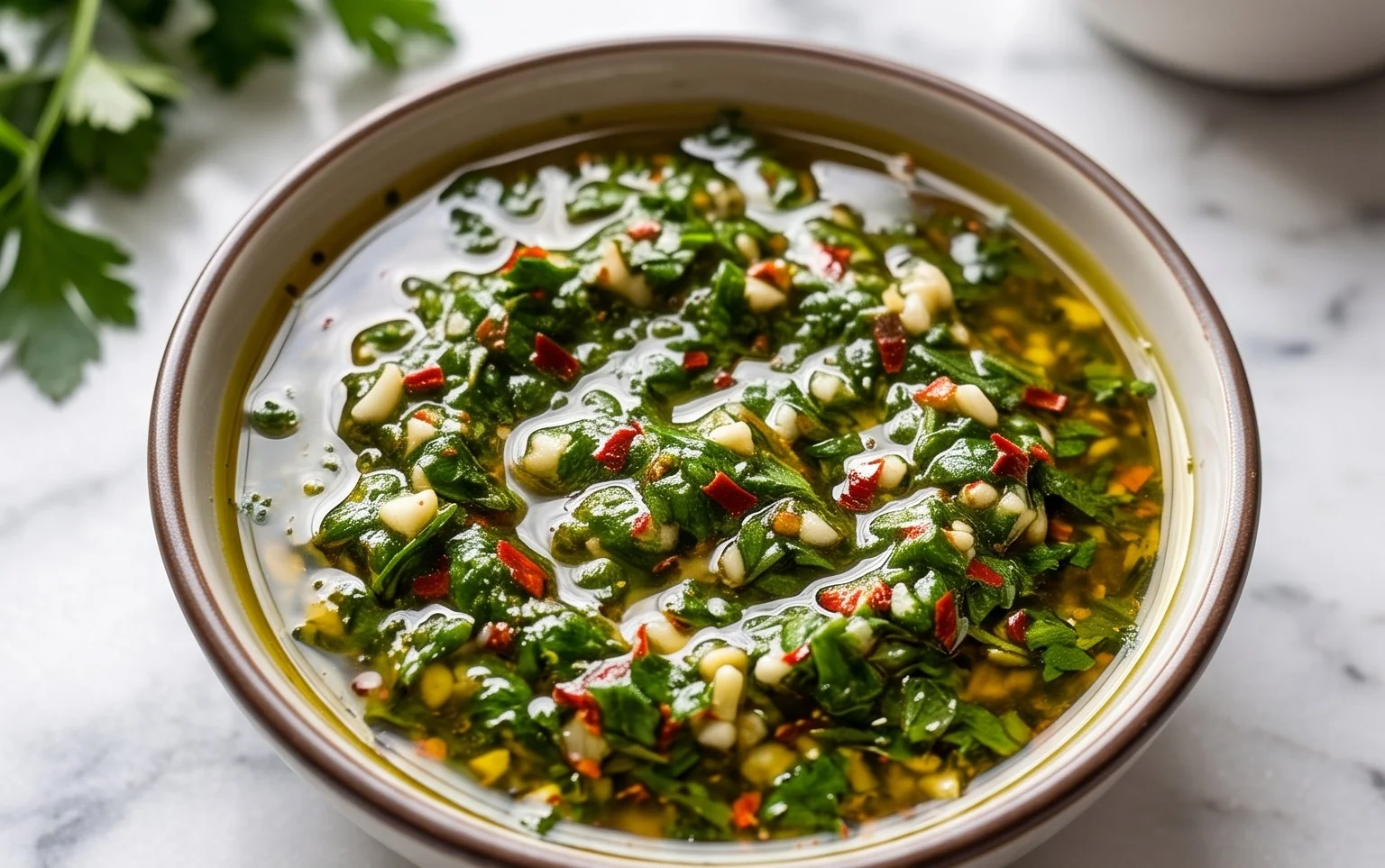
Chimichurri Sauce Recipe
There are few sauces as vibrant, versatile, and downright delicious as chimichurri. This Argentinian classic, typically served with grilled meats, is a revelation of fresh herbs, zesty vinegar, and a hint of spice. Its bright green hue and pungent aroma are a testament to its quality ingredients, and the best part? It’s incredibly easy to make at home. Forget store-bought versions; once you’ve tasted homemade chimichurri, you’ll never go back. It’s the perfect accompaniment to steak, chicken, fish, or even just toasted bread. Let’s dive in and create this herbaceous wonder.
Ingredients:
Instructions:
Creating this fantastic sauce is a straightforward process, primarily involving chopping and then combining. The key to chimichurri’s exceptional flavor is the freshness of its ingredients, so ensure you’re using the best you can find. We’re aiming for a rustic yet refined texture, where the herbs are finely chopped but still have a bit of body, not a completely smooth paste.
Step 1: Prepare the Herbs and Aromatics
This is the most labor-intensive part, but don’t let it deter you! Start by thoroughly washing and drying your fresh herbs. For the parsley, cilantro, and oregano, it’s crucial to remove all the stems. Stems can be woody and bitter, detracting from the sauce’s bright, fresh flavor. A good trick for efficiently de-stemming herbs like parsley is to hold the stems upright in one hand and strip the leaves off with the other. Once de-stemmed, gather your herb leaves and give them a fine chop. Aim for small, consistent pieces. Next, address your red onion or shallots. You’ll want them roughly chopped. Don’t worry about perfect uniformity here, as they will also be chopped down further. Finally, peel your garlic cloves.
Step 2: Finely Chop the Base Ingredients
Now, it’s time to bring those prepared ingredients together and chop them even finer. You have a couple of options here: you can use a sharp knife on a cutting board or a food processor. If using a knife, combine the chopped parsley, cilantro, oregano, red onion (or shallots), and garlic on your cutting board. Begin extract chopping them together, working them into a finer consistency. The goal is to break them down so that the flavors meld beautifully, but you still have distinct textures. If you opt for a food processor, add the de-stemmed herbs, chopped red onion/shallots, and peeled garlic cloves to the bowl. Pulse the food processor in short bursts. You want to chop these ingredients until they are finely minced, but be careful not to over-process them into a mush. Scrape down the sides of the bowl as needed to ensure everything is evenly chopped.
Step 3: Add the Flavor Boosters
Once your herb and aromatic base is finely chopped, it’s time to introduce the other essential flavor components. Add the red pepper flakes to the chopped herb mixture. These will provide a gentle warmth and a subtle kick that beautifully balances the freshness of the herbs. Next, pour in the extra-virgin extract olive oil. Use a good quality oil here, as its flavor will be prominent. Then, add the red grape juice vinegar. This vinegar provides a lovely tangin extractess and a beautiful color, though you can substitute it with red grape juice vinegar if you prefer. Finally, squeeze in the fresh lemon juice. Fresh lemon juice is non-negotiable for the brightest, most vibrant flavor; bottled juice just doesn’t compare.
Step 4: Season and Emulsify
Now, it’s time to season your chimichurri and bring all the ingredients together into a cohesive sauce. Sprinkle in the kosher salt. Salt is crucial for enhancing all the other flavors in the sauce. Give everything a good stir. You can use a spoon or a whisk to combine the ingredients. As you stir, you’ll notice the oil and vinegar begin extractning to emulsify slightly with the other ingredients, creating a beautiful, slightly thickened sauce. Taste the chimichurri at this stage and adjust the seasoning if necessary. You might want a little more salt, a touch more vinegar for acidity, or even a pinch more red pepper flakes for extra heat.
Step 5: Let Flavors Meld (The Waiting Game)
This might seem like a small step, but it’s one of the most important for achieving the best flavor. Once everything is thoroughly mixed, cover the bowl or transfer the chimichurri to an airtight container. Let it sit at room temperature for at least 30 minutes, or preferably, refrigerate it for at least an hour. This resting period allows the flavors to meld and deepen. The garlic and onion will mellow slightly, and the herbs will truly infuse into the oil and vinegar. The longer it sits, the more complex and satisfying the flavor will become. You can make this sauce a day in advance, and it will be even better the next day! When you’re ready to serve, give it a good stir as the oil and vinegar may separate slightly.
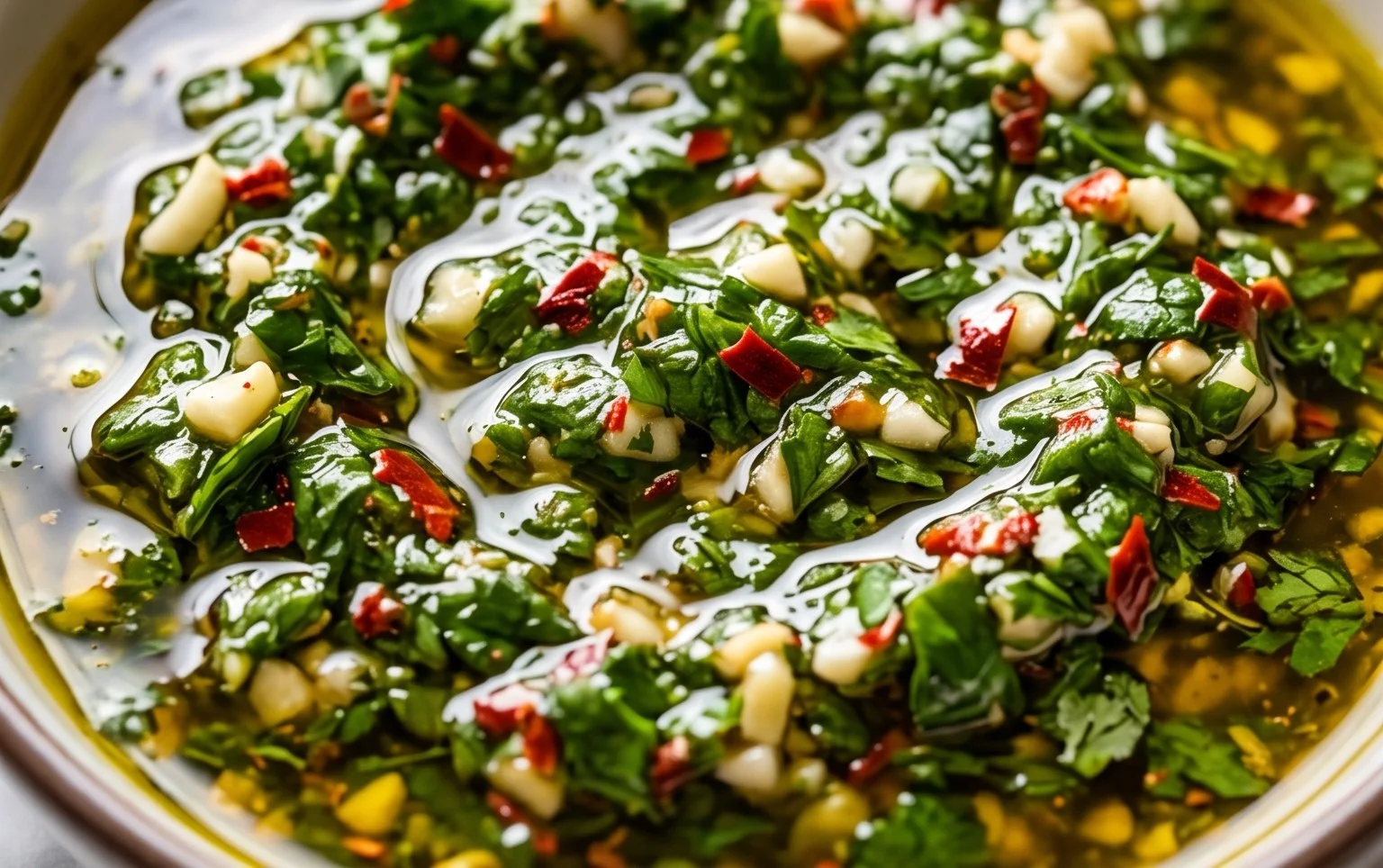
Chimichurri sauce is a testament to the power of simple, fresh ingredients. Its vibrant green color hints at the explosion of herbaceous, tangy, and slightly spicy flavors that await. Serve it generously over grilled steaks, chicken, or fish. It’s also fantastic dolloped onto roasted vegetables, used as a marinade, or even stirred into dips. The possibilities are truly endless with this Argentinian staple. Enjoy the incredible freshness and flavor you’ve created!
Conclusion:
There you have it – a simple yet incredibly versatile Chimichurri Sauce Recipe that’s sure to become a staple in your kitchen! This vibrant, herbaceous sauce is a game-changer for elevating grilled meats, roasted vegetables, and even as a zesty dip. Its freshness, combined with a perfect balance of garlic, herbs, and a touch of heat, makes it an irresistible addition to any meal. Don’t be afraid to experiment with this fantastic sauce; it’s incredibly forgiving and adaptable to your personal taste. I highly encourage you to give it a try – I promise you won’t regret it!
Consider serving your homemade chimichurri alongside grilled steaks, chicken skewers, fish tacos, or drizzled over roasted potatoes and asparagus. It’s also wonderfully delicious slathered on a simple baguette or as a dressing for a hearty grain salad.
Looking for variations? You can easily adjust the amount of chili flakes for more or less heat, add a squeeze of lime juice for extra tang, or even incorporate other fresh herbs like mint or chives. The possibilities are endless!
Frequently Asked Questions:
How long does Chimichurri Sauce last?
Properly stored in an airtight container in the refrigerator, your chimichurri sauce should stay fresh for up to 5-7 days. The fresh herbs and garlic are best enjoyed within the first few days for optimal flavor.
Can I make Chimichurri Sauce ahead of time?
Absolutely! In fact, chimichurri often tastes even better after it has had a chance to sit for at least 30 minutes to an hour, allowing the flavors to meld together. You can comfortably make it a day or two in advance for your next meal.
What kind of oil is best for Chimichurri Sauce?
Extra virgin extract olive oil is the classic choice and provides a wonderful fruity base for chimichurri. However, you can also experiment with other neutral-flavored oils like avocado oil if you prefer a milder taste.
Chimichurri Sauce Recipe
A vibrant and zesty Argentinian sauce perfect for grilled meats, vegetables, and more.
Ingredients
-
1 cup fresh Italian flat-leaf parsley, leaves only, stems removed
-
1/4 cup fresh cilantro, leaves only, stems removed
-
1/4 cup fresh oregano, leaves only, stems removed
-
1/3 cup roughly chopped red onion
-
3 cloves garlic, peeled
-
1/2 teaspoon red pepper flakes
-
1/2 cup extra-virgin olive oil
-
1/4 cup red grape juice vinegar
-
3 tablespoons fresh lemon juice
-
1 teaspoon kosher salt
Instructions
-
Step 1
Finely chop the parsley, cilantro, and oregano. -
Step 2
In a food processor, pulse the chopped herbs with the red onion and garlic until finely minced. -
Step 3
Add the red pepper flakes, olive oil, red grape juice vinegar, lemon juice, and kosher salt. -
Step 4
Process until the sauce is well combined and has a slightly coarse texture. -
Step 5
Taste and adjust seasoning as needed. For best flavor, let the chimichurri rest for at least 30 minutes before serving.
Important Information
Nutrition Facts (Per Serving)
It is important to consider this information as approximate and not to use it as definitive health advice.
Allergy Information
Please check ingredients for potential allergens and consult a health professional if in doubt.