Easy Homemade Bread Recipe – Perfect Loaf Every Time
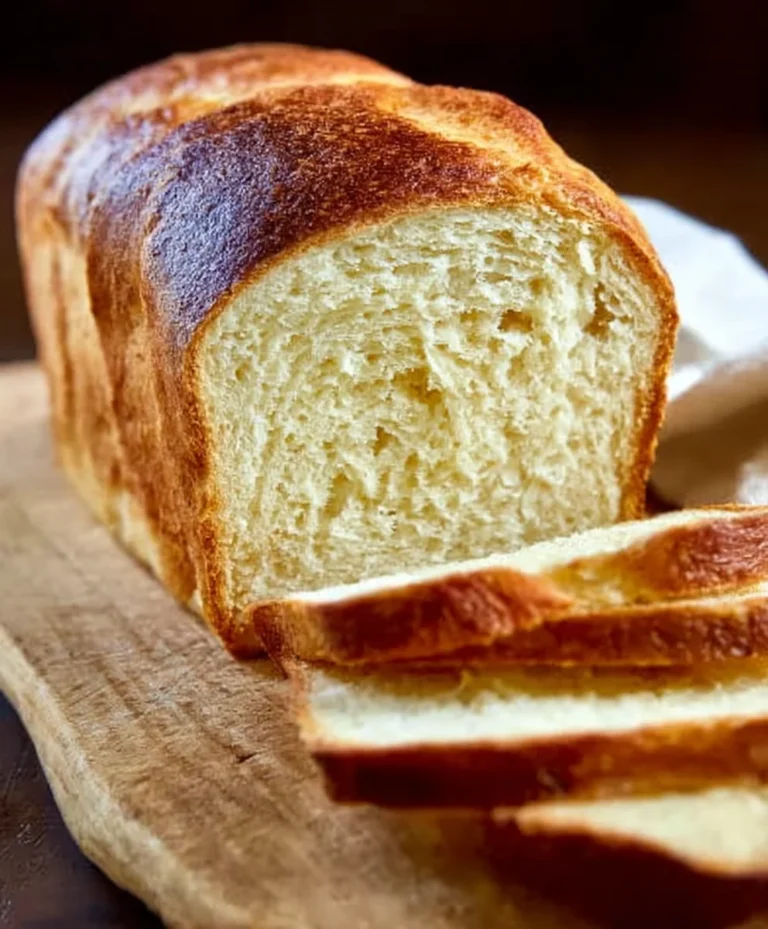
Easy Homemade Bread is more than just a recipe; it’s an invitation to experience a little bit of magic in your own kitchen. There’s a primal satisfaction that comes from kneading dough, watching it rise, and then filling your home with the irresistible aroma of freshly baked bread. It’s a scent that instantly conjures warmth, comfort, and memories of simpler times. Unlike the often-disappointing store-bought loaves, our easy homemade bread offers a texture and flavor that’s simply unparalleled. Imagin extracte tearing into a crusty exterior that gives way to a soft, pillowy interior, all made with ingredients you can pronounce and understand. This isn’t about complicated techniques or expensive equipment; it’s about the joy of creation and the reward of enjoying truly delicious, honest food that you made yourself.
Why You’ll Love This Recipe
This recipe for easy homemade bread is designed for everyone, from absolute begin extractners to seasoned bakers looking for a reliable go-to. We’ll walk you through each step, demystifying the process and proving that you don’t need to be a pastry chef to bake fantastic bread. The beauty lies in its simplicity and the incredibly rewarding outcome. You’ll not only create a beautiful loaf, but you’ll also gain the confidence to bake more. Plus, there’s something incredibly therapeutic about the hands-on nature of bread making. Forget the plastic packagin extractg and embrace the wholesome goodness of your own creation. It’s a taste of accomplishment you can share, or simply savor all to yourself!
Easy Homemade Bread
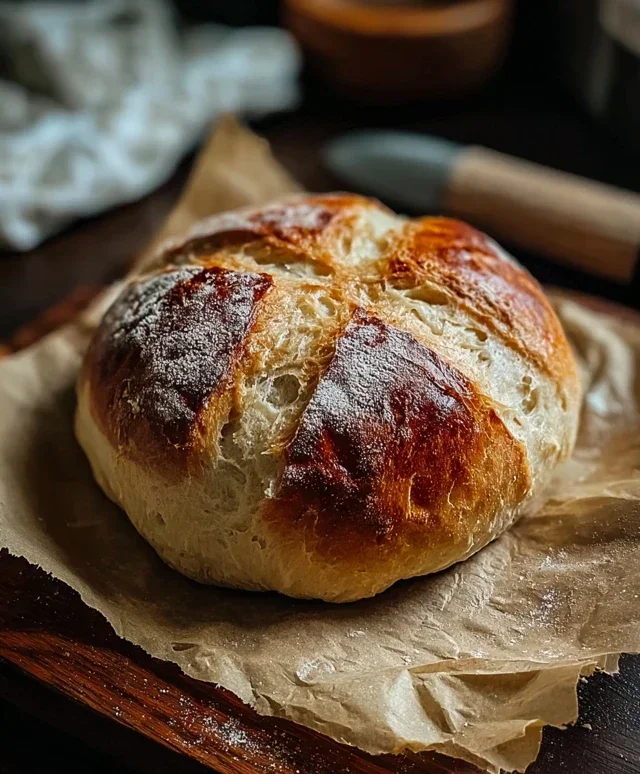
There’s something incredibly satisfying about pulling a warm, crusty loaf of homemade bread from your oven. The aroma alone can transform your kitchen into a haven. Many people are intimidated by bread making, thinking it’s a complicated and time-consuming process. I used to be one of them! But I’m here to tell you that with just a few simple ingredients and a little bit of patience, you can create truly delicious bread right in your own home. This recipe is designed to be incredibly straightforward, perfect for begin extractners, and yields a fantastic, versatile loaf that’s wonderful on its own, toasted, or used for sandwiches. Let’s get started!
Ingredients:
Let’s Get Baking!
The beauty of this recipe lies in its simplicity. We’re not going to fuss with complex techniques. My goal is to empower you to confidently make bread, one delicious loaf at a time. Before we begin extract, ensure your ingredients are readily accessible. Having everything measured out and ready to go makes the process much smoother.
Mixing the Dough
1. In a large mixing bowl, pour in your 1 ½ cups of warm water. The water should feel comfortably warm to the touch, not hot. Think of it like a nice bath – around 105-115°F (40-46°C) is ideal. This temperature is crucial for activating the yeast. Too cold and the yeast won’t wake up properly; too hot and you could kill it. Next, sprinkle the entire packet of instant yeast over the water. Give it a very gentle stir, just enough to distribute the yeast. Let this sit for about 5-10 minutes. You should start to see some foamy bubbles forming on the surface, which indicates your yeast is alive and ready to work its magic. If you don’t see any activity, your yeast might be old, and it’s best to start again with fresh yeast.
2. Now, add the 3 cups of bread flour and the 2 ½ teaspoons of kosher salt to the bowl. Bread flour has a higher protein content, which develops more gluten and results in a chewier texture and better structure. However, all-purpose flour is a perfectly acceptable substitute if that’s what you have on hand; your loaf might be slightly softer. Add the salt in a separate corner of the bowl, away from the yeast mixture for the initial pour, as direct contact with a high concentration of salt can also inhibit yeast activity.
3. Using a sturdy spoon or a spatula, begin extract to mix the ingredients together. Continue mixing until a shaggy, cohesive dough forms. It will look rough and sticky at this stage, and that’s perfectly normal. Don’t worry about trying to make it smooth just yet. The goal is simply to incorporate all the dry ingredients into the wet. Once it’s all combined, let it rest in the bowl for about 10 minutes, covered with a clean kitchen towel or plastic wrap. This resting period is called autolyse, and it allows the flour to fully hydrate, which makes the dough easier to knead and develops gluten more effectively.
Kneading and Rising
4. After the 10-minute rest, it’s time to knead the dough. Lightly flour a clean work surface. Scrape the shaggy dough out of the bowl onto your floured surface. Now, the fun begin extracts! Kneading develops the gluten, giving our bread its structure and chew. Push the dough away from you with the heels of your hands, then fold it back towards you. Rotate the dough a quarter turn and repeat. Continue this process for about 8-10 minutes. The dough will start out sticky and a bit unmanageable, but as you knead, it will become smoother, more elastic, and less sticky. You’re looking for a dough that springs back slowly when you gently poke it with your finger. If the dough becomes too sticky, add just a tiny sprinkle of flour to your hands or the work surface, but try not to add too much, as this can make the bread dry.
5. Once your dough is smooth and elastic, it’s time for its first rise. Lightly grease your large mixing bowl with a little bit of oil or cooking spray. Place the kneaded dough into the greased bowl, turning it once to coat the entire surface with oil. This prevents it from drying out. Cover the bowl tightly with plastic wrap or a damp kitchen towel. Find a warm, draft-free spot in your kitchen. An oven that has been turned off but still retains a little residual warmth is often a great spot. Let the dough rise for 1 to 1 ½ hours, or until it has doubled in size. The exact time will depend on the warmth of your kitchen. You’ll know it’s ready when it looks puffy and has significantly increased in volume.
Shaping and Baking
6. After the first rise, gently punch down the dough to release the air. You can do this by pressing your fist into the center of the risen dough. Turn the dough out onto a lightly floured surface. Now, shape your loaf. You can create a simple round loaf (boule) by tucking the edges under to create tension on the surface, or you can form it into a more oblong shape for a standard loaf pan. If using a loaf pan, grease it well and place the shaped dough inside.
7. Cover the shaped loaf loosely with plastic wrap or a kitchen towel and let it rise again for another 30-45 minutes. While the dough is doing its second rise, preheat your oven to 400°F (200°C). If you have a baking stone or steel, place it in the oven as it preheats.
8. Once the second rise is complete and the oven is fully preheated, it’s time to bake! For an extra crispy crust, you can score the top of the loaf with a sharp knife or a lame (a special bread-scoring tool) before baking. This allows the steam to escape in a controlled way. Carefully place the loaf into the preheated oven. If you’re using a baking stone or steel, slide the loaf directly onto it. If using a loaf pan, place the pan in the oven. Bake for 30-35 minutes, or until the crust is a deep golden brown and the internal temperature of the bread reaches 200-210°F (93-99°C) when tested with an instant-read thermometer. You can also tap the bottom of the loaf; it should sound hollow.
9. Once baked, immediately remove the bread from the oven and transfer it to a wire rack to cool completely. This is perhaps the hardest part – resisting the urge to slice into it while it’s still hot! Cooling is essential for the bread’s texture to set properly. Allowing it to cool completely will result in a much better eating experience. Enjoy your incredibly satisfying, easy homemade bread!
Conclusion:
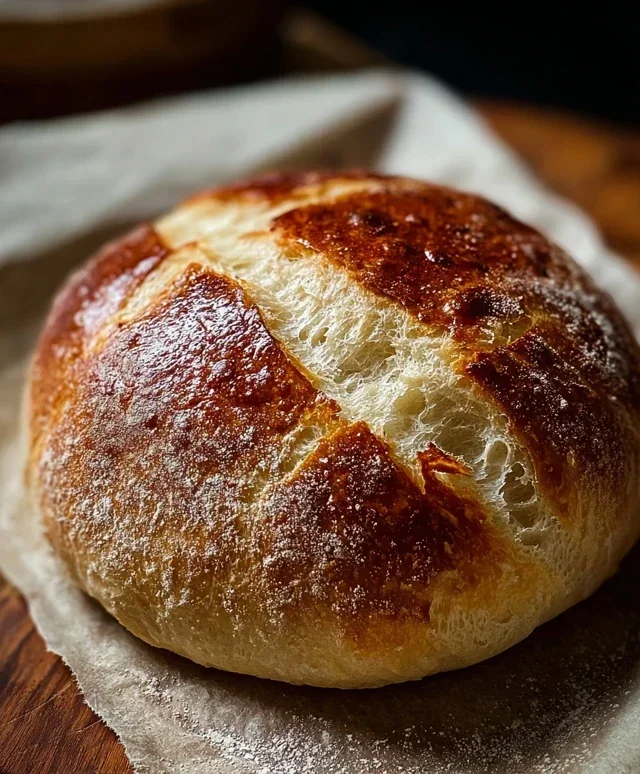
And there you have it – your very own, incredibly simple, and utterly delicious homemade bread! This easy homemade bread recipe truly proves that you don’t need to be a seasoned baker to achieve fantastic results. The beauty of this recipe lies in its simplicity; minimal ingredients, straightforward steps, and a reward that’s far greater than the effort involved. Imagin extracte the aroma filling your kitchen as it bakes, a scent that instantly makes any house feel like a home. This bread is perfect for a quick weeknight side, a hearty base for sandwiches, or simply enjoyed warm with a generous smear of butter. Don’t be afraid to get creative! Try adding herbs like rosemary or thyme, a sprinkle of seeds for extra texture, or even a touch of garlic powder for a savory twist. The possibilities are endless, and the satisfaction of pulling a golden, crusty loaf out of your oven is unparalleled. I genuinely encourage you to give this recipe a try – you’ll be amazed at how easy it is and how wonderful the outcome is. Happy baking!
Frequently Asked Questions:
Why did my bread turn out dense?
A dense loaf often indicates that the yeast wasn’t active enough, or the dough was overworked. Ensure your yeast is fresh and that you used warm, not hot, liquid to activate it. Also, try to handle the dough gently during kneading and avoid overworking it.
Can I freeze this homemade bread?
Absolutely! Once completely cooled, you can wrap your easy homemade bread tightly in plastic wrap and then in foil or place it in an airtight container or freezer bag. It should stay fresh for up to 2-3 months. Thaw at room temperature or toast slices directly from frozen.
Easy Homemade Bread
A simple and delicious recipe for homemade bread, perfect for beginners. Uses basic pantry staples for a satisfying crusty loaf.
Ingredients
-
1 ½ cups warm water
-
3 cups bread flour
-
1 packet Instant Yeast
-
2 ½ tsp kosher salt
-
1 tablespoon olive oil
Instructions
-
Step 1
In a large bowl, whisk together the warm water and instant yeast. Let it sit for 5 minutes until slightly foamy. -
Step 2
Add the bread flour, kosher salt, and olive oil to the bowl. Stir with a wooden spoon until just combined and a shaggy dough forms. -
Step 3
Cover the bowl with plastic wrap or a damp towel and let it rise in a warm place for 30 minutes, or until doubled in size. -
Step 4
Preheat your oven to 425°F (220°C). Place a Dutch oven or oven-safe pot with a lid into the oven while it preheats. -
Step 5
Carefully remove the hot Dutch oven from the oven. Gently turn the dough out of the bowl and into the hot Dutch oven. Score the top of the loaf with a sharp knife if desired. -
Step 6
Cover the Dutch oven and bake for 20 minutes. Remove the lid and bake for another 10-15 minutes, or until the crust is golden brown and the internal temperature reaches 200-210°F (93-99°C). -
Step 7
Let the bread cool on a wire rack before slicing and serving.
Important Information
Nutrition Facts (Per Serving)
It is important to consider this information as approximate and not to use it as definitive health advice.
Allergy Information
Please check ingredients for potential allergens and consult a health professional if in doubt.