Kolokithokeftedes Greek Zucchini Fritters Easy Recipe
Kolokithokeftedes are more than just zucchini fritters; they are a taste of sunshine, a whisper of the Aegean breeze, and a hug from a Greek yiayia all rolled into one delightful bite. If you’ve ever found yourself mesmerized by the golden-brown perfection and irresistible aroma wafting from a Greek taverna, chances are you were experiencing the magic of these beloved kolokithokeftedes. What is it about these humble patties that captures our hearts (and stomachs)? It’s the perfect harmony of tender, grated zucchini, fragrant herbs like mint and dill, and a hint of salty feta cheese, all bound together and fried to a glorious crisp. They’re impossibly light, yet deeply satisfying, making them the ultimate appetizer, meze, or even a light lunch. Get ready to discover why these kolokithokeftedes will become your new favorite way to enjoy summer squash!
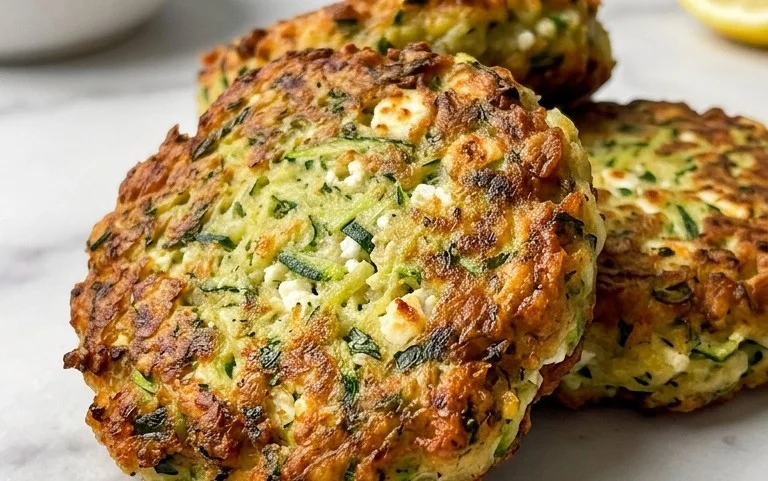
Kolokithokeftedes (Greek Zucchini Fritters)
There’s something incredibly satisfying about a perfectly crisp, golden fritter, and when those fritters are packed with the fresh, mild sweetness of zucchini and the salty tang of feta, they become utterly irresistible. Kolokithokeftedes, or Greek zucchini fritters, are a beloved meze (appetizer) in Greece, often served with a dollop of cool tzatziki or a squeeze of lemon. They are surprisingly simple to make, yet deliver a burst of flavor that’s both comforting and vibrant. These are perfect for a light lunch, a party starter, or even a delicious side dish to grilled meats or fish.
The beauty of kolokithokeftedes lies in their humble ingredients. Fresh zucchini, aromatic herbs, a touch of salty cheese, and a light, airy batter come together to create a dish that’s greater than the sum of its parts. I love how the wholemeal flour adds a slightly nuttier depth and a lovely texture, making these fritters both wholesome and delicious. Don’t be intimidated if you’re new to making fritters; the process is straightforward, and the results are incredibly rewarding. Let’s get started on creating these little golden treasures!
Ingredients:
Preparing the Zucchini
The first and most crucial step in making perfect kolokithokeftedes is properly preparing your grated zucchini. Zucchini is naturally very watery, and if you don’t remove excess moisture, your fritters will be soggy and won’t hold their shape. After grating your zucchini, place it in a colander set over a bowl. Sprinkle it generously with about 1/2 teaspoon of salt. This salt will draw out the moisture. Let it sit for at least 15-20 minutes. You’ll be amazed at how much liquid is released. Once it has drained, it’s time to squeeze out the remaining water. The best way to do this is by hand, taking small handfuls of the grated zucchini and wringin extractg them out as tightly as you can. Alternatively, you can place the grated zucchini in a clean kitchen towel or cheesecloth and twist to squeeze out every last drop of liquid. This step is non-negotiable for achieving that desirable crispy texture.
Mixing the Batter
Once your zucchini is well-drained, you can begin extract mixing the batter. In a large mixing bowl, combine the squeezed zucchini with the finely chopped green onions (both the white and green parts), the minced garlic clove, the crum extractbled feta cheese, and the chopped fresh dill. Give everything a good stir to distribute the ingredients evenly. Now, it’s time to add the binders and leavening agents. Crack in the two eggs and whisk them in gently. The eggs will help to bind all the ingredients together. In a separate small bowl, whisk together the wholemeal flour and the baking powder. This ensures the baking powder is evenly distributed, which will give your fritters a little lift and a lighter texture. Gradually add this dry ingredient mixture to the wet ingredients, stirring until just combined. Be careful not to overmix, as this can lead to tough fritters. The batter should be thick but still spoonable. Season generously with salt and freshly ground black pepper to taste. Remember that feta is salty, so taste and adjust the salt accordingly.
Frying the Fritters
This is where the magic happens! Heat a generous amount of olive oil in a large, heavy-bottomed skillet over medium-high heat. You want enough oil so that the fritters will be partially submerged when you place them in the pan, about 1/4 to 1/2 inch deep. It’s important to get the oil to the right temperature. If it’s too cool, the fritters will absorb too much oil and become greasy. If it’s too hot, they’ll burn on the outside before cooking through. You can test the oil by dropping a tiny bit of batter into it; it should sizzle immediately and float to the surface.
Cooking Instructions
Carefully drop spoonfuls of the zucchini mixture into the hot olive oil. I like to use a tablespoon or a small ice cream scoop for uniform-sized fritters. Don’t overcrowd the pan; cook in batches to ensure the oil temperature remains consistent and the fritters have room to spread and crisp up. Aim for fritters about 2-3 inches in diameter.
Fry the fritters for about 3-4 minutes per side, or until they are a deep golden brown and beautifully crisp. Use a slotted spoon or a spider strainer to gently flip them over. You want them to develop a lovely, crunchy crust.
As the fritters cook, they will puff up slightly thanks to the baking powder and the air incorporated during mixing. Keep an eye on them and adjust the heat if they are browning too quickly or too slowly.
Once they are golden and cooked through, remove the kolokithokeftedes from the skillet with your slotted spoon and place them on a plate lined with paper towels. This will help to absorb any excess oil, ensuring they remain delightfully crisp.
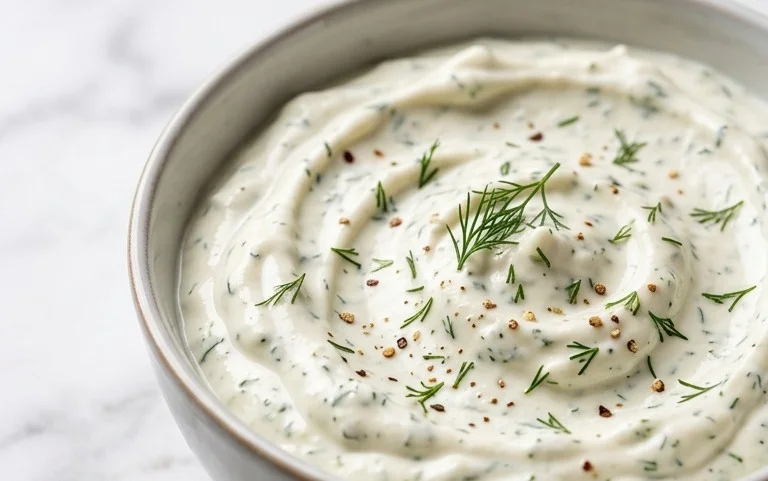
Serve your freshly made kolokithokeftedes immediately while they are still warm and at their crispiest. They are absolutely delicious on their own, but are traditionally served with a side of Greek yogurt, a dollop of tzatziki sauce, or a simple squeeze of fresh lemon juice to cut through the richness.
Enjoy these delightful Greek zucchini fritters – they are a taste of sunshine and the Mediterranean in every bite!
Conclusion:
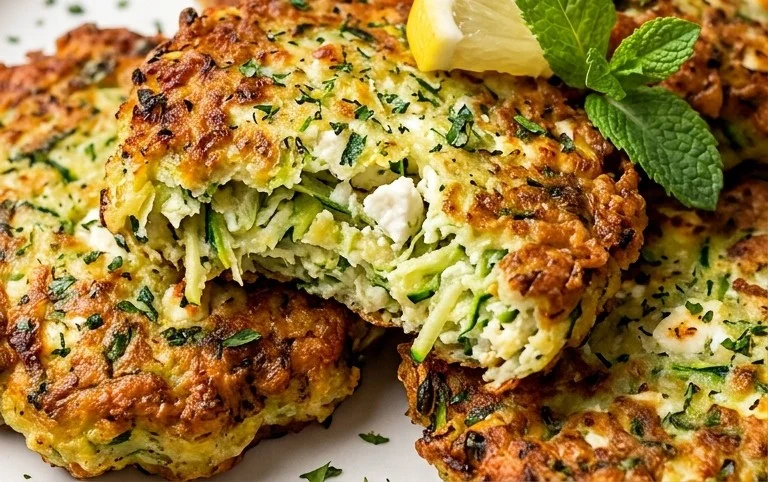
And there you have it! My beloved Kolokithokeftedes, these delightful Greek zucchini fritters, are a testament to the simple yet incredible flavors of fresh ingredients. They are wonderfully light and crispy on the outside, tender and packed with fresh zucchini and herbs on the inside. I find them to be the perfect appetizer, snack, or even a light main course, especially when the weather is warm. The beauty of this recipe lies in its simplicity and the vibrant taste that a few key ingredients can produce. You can serve them warm or at room temperature, making them incredibly versatile for gatherings or a quick, satisfying bite.
I love enjoying Kolokithokeftedes with a generous dollop of thick Greek yogurt or tzatziki sauce. They also pair beautifully with a crisp green salad for a balanced meal. Don’t be afraid to experiment with variations! Some people enjoy adding a pinch of feta cheese to the batter for an extra salty kick, or a touch of mint alongside the dill for a brighter flavor profile. Perhaps a sprinkle of red pepper flakes for a hint of heat? The possibilities are endless and always delicious. I truly encourage you to give these Kolokithokeftedes a try. I’m confident you’ll fall in love with them as much as I have!
Frequently Asked Questions:
How can I make my Kolokithokeftedes extra crispy?
Ensuring your zucchini is well-drained of excess moisture is key to crispiness. Squeeze out as much liquid as possible after grating. Also, make sure your frying oil is hot enough (around 350°F or 175°C) before adding the fritters. Don’t overcrowd the pan, as this can lower the oil temperature and result in greasy fritters.
Can I bake Kolokithokeftedes instead of frying?
Yes, you can! While frying yields the classic crispy texture, baking is a healthier alternative. Preheat your oven to 400°F (200°C). Lightly brush a baking sheet with oil and place the formed fritters on it. Bake for about 20-25 minutes, flipping halfway through, until golden brown. They won’t be quite as crispy as fried, but still wonderfully delicious.
What are the best herbs to use in Kolokithokeftedes?
The classic and most popular herbs are fresh dill and mint. However, parsley is also a fantastic addition, offering a fresh, slightly peppery note. You can even experiment with other fresh herbs like chives or a hint of dried oregano for a different Mediterranean twist.
Kolokithokeftedes (Greek Zucchini Fritters)
Delicious and crispy Greek zucchini fritters, perfect as a starter or appetizer. Made with fresh ingredients and a touch of feta.
Ingredients
-
3 cups Grated Zucchini
-
2 Green Onions / Shallots, finely chopped
-
2 Eggs, beaten
-
1 Garlic Clove, minced
-
1/2 cup Feta Cheese, crumbled
-
1 tbsp Fresh Dill, chopped
-
1/2 cup Wholemeal / Wholewheat Flour
-
1/2 tsp Baking Powder
-
Salt, to taste
-
Pepper, to taste
-
Olive Oil, for frying
Instructions
-
Step 1
Squeeze excess moisture from the grated zucchini using a clean kitchen towel or cheesecloth. This is crucial for crispy fritters. -
Step 2
In a large bowl, combine the squeezed zucchini, chopped green onions/shallots, beaten eggs, minced garlic, crumbled feta cheese, and chopped dill. -
Step 3
In a separate small bowl, whisk together the wholemeal/wholewheat flour, baking powder, salt, and pepper. -
Step 4
Add the dry ingredients to the wet ingredients and mix until just combined. Do not overmix. -
Step 5
Heat a generous amount of olive oil in a non-stick skillet over medium-high heat. The oil should be hot but not smoking. -
Step 6
Carefully drop spoonfuls of the batter into the hot oil, flattening them slightly with the back of the spoon to form fritters. Do not overcrowd the pan. -
Step 7
Fry for 2-3 minutes per side, until golden brown and cooked through. Adjust heat as needed to prevent burning. -
Step 8
Remove fritters from the skillet and drain on paper towels to absorb excess oil. Serve hot.
Important Information
Nutrition Facts (Per Serving)
It is important to consider this information as approximate and not to use it as definitive health advice.
Allergy Information
Please check ingredients for potential allergens and consult a health professional if in doubt.